反対する・反抗する・抵抗する・対立する・逆らう | Differences Between Japanese Verbs of Opposition
Meaning, Nuances, and Usage Contexts of Five Often-Confused Verbs
Category: Concepts & Distinctions
What does “to oppose” really mean, and through which verbs is the idea of “opposing” expressed in Japanese?
In modern Japanese, there are several verbs that express the concept of opposition or resistance.
反対する, 反抗する, 抵抗する, 対立する, and 逆らう are five verbs that are often translated in the same way, but in reality they describe very different forms of opposition.
Saying no to an opinion, rebelling against an authority, resisting pressure, finding oneself in conflict, or challenging someone: each verb highlights a specific type of relationship between the person who opposes and the thing being opposed.
They are not the only ones, but these are the most commonly used verbs, as well as those most frequently encountered in conversations and in reading-comprehension exercises intended as preparation for the JLPT.
In particular:
- 反対する — saying no to something: clear and openly declared opposition.
- 反抗する — rebelling: an emotional refusal directed against an authority.
- 抵抗する — resisting: opposing a force that is pushing you.
- 対立する — being in conflict: two positions that clash with each other.
- 逆らう — defying: going against someone through disobedience.
Although all of these verbs express the idea of “opposing” or “going against,” each one describes a different type of opposition: disagreement, rebellion, resistance, conflict, or disobedience. The following table summarizes their main differences.
| Verb | Reading | Concise meaning | Nuance | Register | Example |
|---|---|---|---|---|---|
| 反対する | はんたいする | to oppose, | clear and openly expressed opposition | neutral, | 政府の新しい法律に反対する人も多い。 |
| 反抗する | はんこうする | to rebel, | emotional or impulsive refusal | stronger, | 子供が親に反抗する時期もある。 |
| 抵抗する | ていこうする | to resist, | opposition to a force, | neutral-formal, | 強い眠気に抵抗しながら勉強した。 |
| 対立する | たいりつする | to be in conflict, | two parties, ideas, or groups | fairly formal, | 二つの会社が利益をめぐって対立している。 |
| 逆らう | さからう | to go against, | not following an order, | common, | 親の意見に逆らって東京へ行った。 |
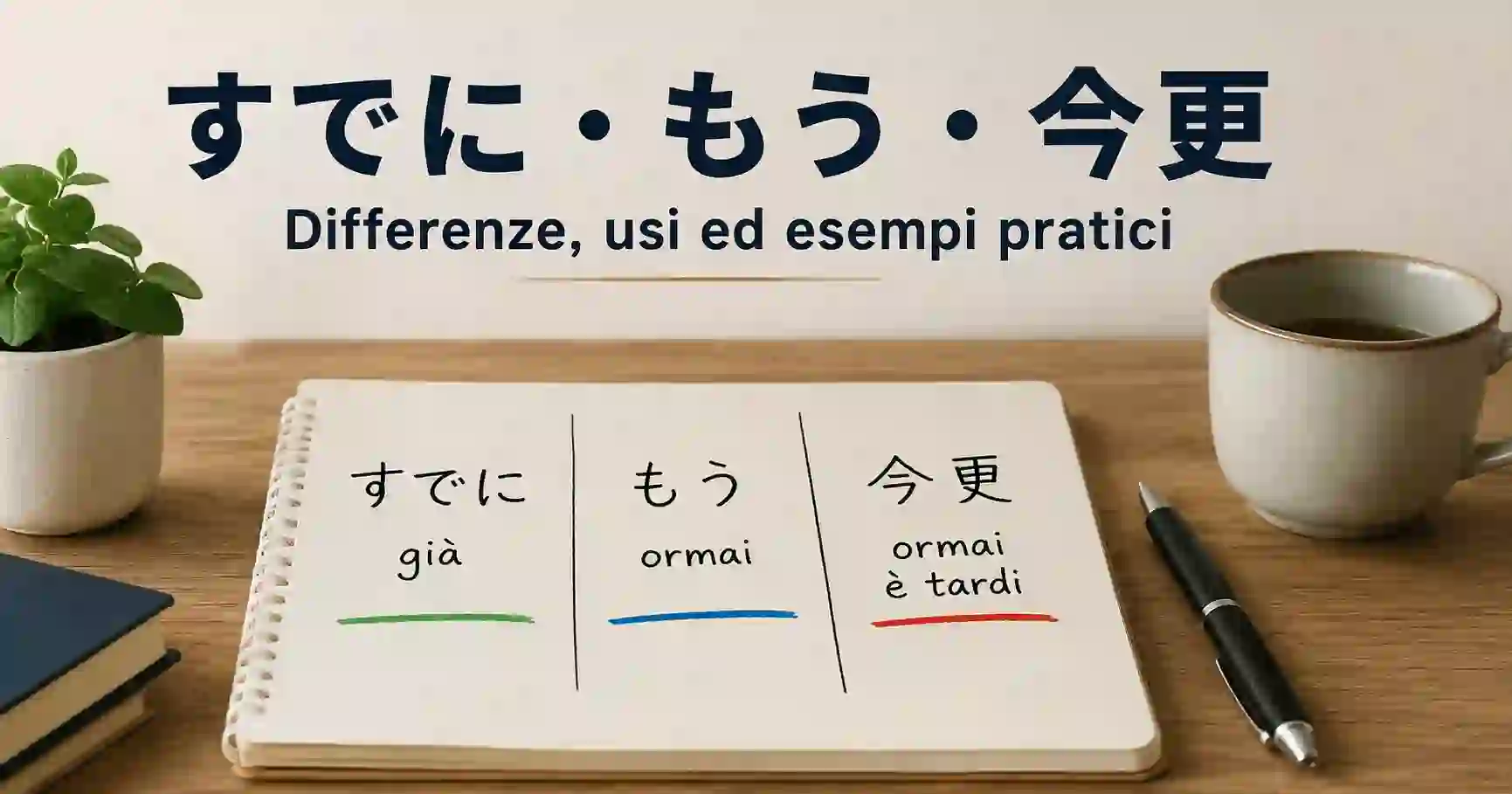
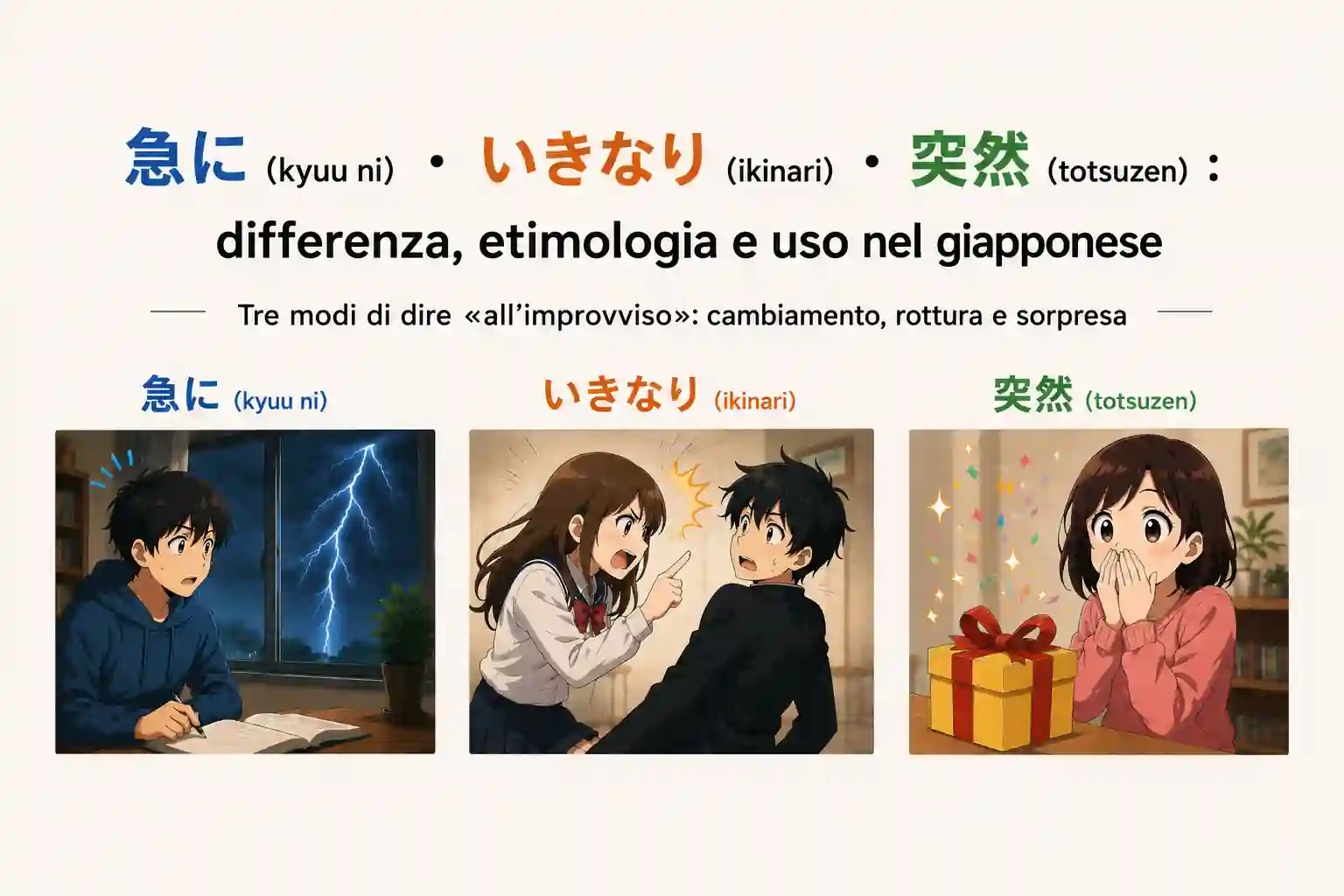
In the following sections, following the approach typically adopted in this series for the study of similar words with different meanings, as has already been done, for example, in the comparison between 急に,いきなり、突然 or 準備, 用意, 支度, we will begin with an analysis of the kanji used to write these verbs, then examine their nuances, typical uses, and example sentences, before finally comparing the subtle differences in meaning between them and determining which ones are interchangeable (or not) in various contexts.
反対する (hantai suru)
Kanji and meaning:
The verb 反対する combines 反 (han, “opposite, contrary”) and 対 (tai, “facing, opposite”): literally, it means “to be on the opposite side” or “to take the opposing position.” In practice, 反対する means to oppose in the sense of not agreeing, to express disagreement, or to withhold one’s support for something. It does not necessarily imply a physical confrontation or active rebellion, but indicates taking a position contrary to an idea, proposal, or request.
Typical usage:
反対する is used to say “to be against” an opinion, a plan, or a decision. It is often constructed as 「Xに反対する」, where X is the thing being opposed – for example an idea, a project, a policy change, and so on. This verb expresses disagreement or refusal from the standpoint of personal opinion, generally in a direct but not necessarily confrontational way.
Examples:
多くの住民が新しい法律に反対している。
私はあなたの意見に反対です。
In the first example, 反対する indicates opposition to a proposed law; in the second, it expresses disagreement with someone’s opinion. In both cases there is no implication of active rebellion, only a declaration of being in disagreement.
反抗する (hankō suru)
Kanji and meaning:
反抗する is formed from 反 (han, “oppose/contrary”) + 抗 (kō, “resist, challenge”). Its basic meaning is “to rebel” or “to resist an authority,” that is, to deliberately disobey someone in power or something that is being imposed. The kanji 反 indicates doing the opposite or opposing, while 抗 means confronting, challenging, or standing up against. Together, 反抗 conveys the idea of going against someone whom one would normally be expected to obey. It is a verb often associated with contexts of authority, namely subordinate vs superior, child vs parent, citizen vs government, and so on.
Typical usage:
反抗する is used to indicate a rebellious or defiant attitude toward an authority, a rule, or an order, meaning that it places the focus on the hierarchical aspect.
For example, the term 反抗期 (hankōki) is commonly used to describe the adolescent “rebellious phase.” It is usually constructed as 「~に反抗する」 referring to the person or entity against whom one rebels (parents, teachers, bosses, authorities in general). The main nuance is the refusal to submit or obey, often in order to assert one’s own will. This verb denotes direct defiance: the subject of 反抗する refuses to follow the instructions or commands of someone hierarchically above them, thereby displaying insubordination.
Examples:
彼は上司の指示に反抗して首になった。
思春期の子供はしばしば親に反抗するものだ。
In the first example, 反抗する describes an act of insubordination toward a superior, with serious consequences (being fired). In the second example, adolescents tend to oppose their parents, indicating the rebellious behavior that is typical of that stage of growth.
抵抗する (teikō suru)
Kanji and meaning:
The verb 抵抗する is composed of 抵 (tei, “to resist, oppose; to push against”) + 抗 (kō, “to resist, counter”). 抵抗 means to resist an external force or to oppose something that is being imposed, carrying the idea of “standing one’s ground” and trying to push back against the opposing force. In other words, teikō suru indicates putting up resistance – whether physical (holding back, defending oneself from an attack, etc.) or moral/psychological (not yielding to pressure, inwardly opposing an idea). The term 抵抗 actually includes different meanings: it can refer to the concrete act of countering a force (meaning ①), but also to a feeling of internal opposition or reluctance (meaning ②: feeling resistance toward accepting something).
Typical usage:
抵抗する is used when speaking about actively resisting someone or something that exerts pressure or coercion. It emphasizes the concept of resistance against an external force or pressure, with the nuance of holding firm and trying to repel that force.
This may involve physical resistance – for example, “to resist arrest” is 逮捕に抵抗する, or “to resist an attacker” (抵抗して逃げる, “to resist and run away”). It can also indicate figurative (or psychological) resistance, such as “resisting temptation” (誘惑に抵抗する) or “opposing a policy/change” (政策に抵抗する). In all of these cases, there is always the idea of not yielding to an external force or influence and actively trying to counter it.
When speaking of rebellion against an authority, 抵抗する focuses on the act of not yielding to that authority (such as a people resisting a regime), whereas 反抗する – as seen above – emphasizes the act of insubordination toward the authority itself. In many cases, 抵抗する has a more neutral or descriptive tone (resisting a force, plain and simple), without implying whether the rebellion is right or wrong, which is why it is also used in scientific contexts (e.g. electrical resistance = 電気抵抗).
It should also be noted that 抵抗する is often perceived as a slightly more formal term, suitable for technical or written contexts as well (for example, in news reports or documents discussing the resistance of oppressed groups, etc.). It is still used in everyday conversation, but can sometimes be replaced by 逆らう, which is a less formal verb (we will see examples when comparing the differences).
Examples:
デモ隊は警官隊に激しく抵抗した。
ABC自治区の少数民族は政府の同化政策に抵抗した。
In the first case, 抵抗する describes physical resistance (the demonstrators clashing with the police). In the second example, taken from a real-world situation, 抵抗する expresses the active opposition of a group to a government policy, namely a refusal to allow themselves to be assimilated. In contexts like this, 抵抗する is the most natural verb: saying 「同化政策に反抗した」 or 「逆らった」 would be grammatically possible, but would sound less appropriate.
対立する (tairitsu suru)
Kanji and meaning:
The verb 対立する derives from 対 (tai, “opposite, opposed, facing”) + 立 (ritsu/ta, “to stand, to rise”). Literally, it paints the image of two entities standing opposite each other in opposition. Indeed, 対立する means to be in conflict or to be opposed to one another. It is not a temporary disagreement on a single issue, but rather a complete opposition of positions, often mutual, that generates friction or confrontation. We could translate it as to come into conflict or to be in opposition/competition with someone.
Typical usage:
対立する is used when two parties (people, groups, factions, nations, etc.) are opposed to one another on an issue, to the point of creating a state of conflict. It is often a term used to describe situations of serious or prolonged disagreement: for example political conflicts, disputes between rival companies, or irreconcilable differences between two people. The difference from 反対する is significant: 反対 expresses a simple individual disagreement, whereas 対立 indicates a relationship of confrontation between two irreconcilable sides.
The most common construction is 「AとBが対立する」 (A to B ga tairitsu suru), meaning “A and B are opposed to each other.” One can also say 「AはBと対立している」 to emphasize that A is in conflict with B (the state of mutual opposition remains the same). Importantly, tairitsu implies that both sides firmly maintain their position without giving ground.
対立 can in fact escalate into open conflict (戦争), so the term carries a greater sense of seriousness than simply “not agreeing.”
It is therefore not used to say “I oppose something” (where one would use 反対する), but rather “we are against each other” (in complete disagreement).
Examples:
その二国は領土問題で対立している。
彼は職場で上司と対立している。
In the first example, 対立する describes a conflict between nations over a specific issue: both countries defend opposing positions regarding a border problem, creating tension. In the second, it indicates that an employee and his superior have a conflictual relationship (their opinions or views regarding work differ to the point that they constantly find themselves opposed to one another). In these cases, 反対する would not be appropriate, because we are not talking about a single instance of “being against something,” but rather about a broader and reciprocal relational conflict.
逆らう (sakarau)
Kanji and meaning:
逆らう uses the kanji 逆 (gyaku/saka, “reverse, opposite”) and is an independent verb (not a compound with suru). It means to go against or to defy, and can be used both in a concrete sense (moving in the opposite direction) and in a figurative sense (opposing a will or authority). In essence, 逆らう means “to do the opposite of what is imposed or expected,” to disobey or openly challenge a force or a will. The image is that of rowing against the current: indeed, explanations often compare it to moving against the flow of a river or against the wind. This idea of being “opposite to the natural direction” captures the nuance well: 逆らう is resisting by moving in the opposite direction.
Typical usage:
逆らう is primarily used to indicate disobedience toward a person or superior authority, or opposition to natural forces or circumstances. Some common contexts include:
-
Disobeying authority figures: 「親に逆らう」 (to disobey one’s parents), 「上司に逆らう」 (to go against one’s boss), 「神に逆らう」 (to oppose God/fate). In these expressions, 逆らう indicates not following the instructions or wishes of someone authoritative, carrying out actions contrary to what is expected of us.
-
Going against forces or trends: 「風に逆らって進む」 (to move against the wind), 「時代の流れに逆らう」 (to go against the course of the times), 「運命に逆らう」 (to go against fate). In these cases, the verb has a more literal or metaphorical sense of moving against a greater force.
How it is constructed: the particle 「〜に逆らう」 is used to indicate whom or what one is opposing. For example, 「規則に逆らう」 means to violate or go against a rule. 逆らう often appears with a human subject and an authority figure as its object (parent, superior, teacher, law, etc.), emphasizing the deliberate act of insubordination. Unlike 反抗する, 逆らう is slightly more colloquial and general – a common term that covers a broad range of situations involving “going against” something, and is not limited to hierarchical relationships such as parent-child dynamics (although it is frequently used there).
Examples:
子供が親に逆らうのは珍しくない。
彼女は運命に逆らおうとした。
In the first example, 逆らう describes the disobedience of children toward their parents, a behavior considered normal (not surprising). The second example uses 逆らう in a more poetic sense: “to challenge one’s fate,” that is, to try to go against something inevitable. In both cases, the action consists of going against a person’s will or the course of events.
It should be noted that 反抗する could also be used in the parent-child context (as seen above) to create similar sentences: indeed, 「親に逆らう」 and 「親に反抗する」 are both common expressions indicating that an adolescent does not obey their parents. The choice depends slightly on register (反抗する sounds somewhat more “serious” or formal, whereas 逆らう is more everyday) and on the nuance one wishes to emphasize (rebellion versus simple disobedience), but in everyday usage they are often interchangeable in this context.
By contrast, 抵抗する would be unusual if used by itself with “親” – 「親に抵抗する」 is grammatically possible, but sounds odd without additional context, as it usually requires a specific situation (for example, physically resisting one’s parents’ attempt to restrain or control someone). This leads directly into the differences in nuance between the various verbs of opposition.
Comparison of the verbs and differences in nuance
Although all five of these verbs share the general idea of opposition/conflict, each has its preferred contexts of use and specific nuances. In many cases there is some overlap (some of them are partially interchangeable), but in others choosing the wrong one can sound unnatural. Below we illustrate the main points of difference and interchangeability:
反対する vs 対立する:
hantai generally indicates an individual disagreement or the taking of a position against a specific point, often expressed verbally (e.g. “to be against an idea”). Tairitsu, on the other hand, describes a complete and mutual opposition between two parties, a genuine state of conflict. Thus, 反対する is used for “not agreeing” with someone or something, whereas 対立する is used for “being in conflict” or “in strong opposition” against one another.
For example, 「彼は上司の案に反対した」 (he opposed his boss’s proposal) indicates that he did not approve of that particular proposal, whereas 「彼は上司と対立している」 (he is in conflict with his boss) suggests a broader and ongoing conflict with his superior. The two terms are not interchangeable: if we said 「上司と反対している」 it would not make sense (反対する does not take the AとB construction, whereas 対立する does). Likewise, 「案に対立する」 is not used; in that case the correct verb is 反対する (to oppose a plan/opinion). In short, 反対 = expressing disagreement, 対立 = being in mutual opposition.
反抗する vs 逆らう:
Both indicate an act of disobedience or rebellion toward an authority, and in many contexts (such as the parent-child relationship) they can be used almost interchangeably. The difference lies in register and nuance: 反抗する is slightly more formal/technical and focused on the refusal to obey (it carries the sense of deliberate “rebellion” and is often used in psychological or educational contexts as well, e.g. rebellious spirit = 反抗心), whereas 逆らう is more everyday and describes the concrete act of going against what someone else says or does (it has the flavor of “not complying with” or “defying”).
For example, 「上司に逆らったせいで彼は左遷された」 and 「上司に反抗したせいで…」 both express the idea that “disobeying/challenging the boss cost him a demotion,” but 反抗 implies more of a rebellious attitude (perhaps ongoing), whereas 逆らう describes the specific act of contradicting someone or refusing to follow an order. In general, 逆らう can also apply to impersonal forces (fate, currents, wind), whereas 反抗する cannot. Conversely, in situations of organized or serious rebellion (uprisings, protests), 反抗する is more suitable for emphasizing the challenge to established authority, whereas 逆らう may sound somewhat colloquial or understated.
反抗する vs 抵抗する:
Although both can sometimes be translated as “to resist” or “to offer resistance,” they focus on different aspects. 反抗 emphasizes challenging authority and intentional disobedience (the subject of hankō suru is refusing to submit to those in command), whereas 抵抗 emphasizes resistance against a force or pressure being exerted on the subject (the subject of teikō suru is trying to push back against an external action).
For example, if a government imposes a new oppressive law, a citizen may rebel (反抗する) by refusing to comply with it (an act of civil disobedience toward authority), whereas 抵抗する would refer to actively fighting against it (an act of resistance, perhaps by protesting in the streets or sabotaging the implementation of the law).
Often the distinction is subtle and the two concepts coexist, but the choice of verb depends on what one wishes to emphasize: 反抗 highlights the hierarchical challenge (I do not recognize your authority!), whereas 抵抗 highlights the effort of resistance (I will not let myself be overcome!). In addition, 抵抗する tends to be used in broader contexts: resisting physical or psychological influences, not just people (e.g. ウイルスに抵抗する “to resist a virus” – biological context; 誘惑に抵抗する “to resist temptation” – personal context). By contrast, 反抗する has a narrower range and is not used for things such as viruses or temptations, but almost exclusively for relationships involving authority or social obligations.
抵抗する vs 逆らう:
The distinction here mainly concerns the type of opposition involved. 抵抗する often implies active resistance, potentially involving physical effort or force (one is resisting something that is trying to force them). 逆らう can be more passive in certain cases: it is enough simply not to follow someone else’s will and to act in the opposite direction. For example, if someone tries to drag you away and you struggle against them, 抵抗する would be used (physically resisting); if someone orders you to do X and you do Y instead, 逆らう would be preferable (going against their order).
In many cases, 抵抗 suggests a direct confrontation (force against force), whereas 逆らう can also manifest itself as simple nonconformity (following one’s own path). In concrete sentences: 「警官に抵抗したため逮捕された」 means “he was arrested because he resisted the police officer” – we imagine a struggle or at least an active attempt to escape; 「警官に逆らったため逮捕された」 sounds less natural, but would mean that he was arrested for disobeying the police officer (for example by ignoring his orders). In situations involving physical struggle or forced resistance (arrests, crackdowns), 抵抗する is almost always preferred. 逆らう, on the other hand, is more general and can also imply a verbal or moral challenge without escalating into physical confrontation.
Formality and register
From the standpoint of linguistic register, some of these verbs are perceived as more formal or “stronger” than others. In particular, 反抗する and 抵抗する tend to appear more often in written, journalistic, or formal contexts than 逆らう, which is extremely common in everyday speech.
This does not mean that 反抗/抵抗 are not used in everyday language (they certainly are), but if, for example, a teenager is talking about their rebellion against their parents, they will probably use expressions such as 親に逆らう rather than 親に反抗する in informal conversation, because 逆らう is a simpler and more direct word. Conversely, in a newspaper article we might read phrases such as 「市民が政府に抵抗した」 or 「政府方針に反抗したグループ」 to describe acts of civil opposition, where the use of Sino-Japanese terms such as 抵抗 and 反抗 lends a more formal tone.
対立する is also fairly formal, and is often used in serious contexts (politics, current affairs) to indicate conflicts; in everyday speech, similar concepts might be expressed with more colloquial phrases such as ケンカしてる (they are fighting) or 揉めている (they are in conflict / involved in a dispute).
Conclusions
As a general rule, each of these verbs has its preferred collocations and they are not always mutually interchangeable, even if their overall meaning may appear similar. For example, as we have already seen, to express a child’s rebellion against their parents, both 反抗する and 逆らう are commonly used and are almost synonymous in that context.
However, to say “to resist a policy,” we have seen that 抵抗する is decidedly more natural than 反抗する or 逆らう. Likewise, 反対する is the obvious choice for “opposition to an idea/proposal” (e.g. 「増税に反対する」 – to oppose a tax increase), whereas using 反抗する in such a context would be incorrect or at least unusual, because one does not “rebel against” an idea; one simply does not approve of it. Similarly, 対立する requires two parties that are opposed to one another: we can say 「A社とB社が対立している」 (Company A and Company B are in conflict), but we would not use 対立する for a single individual opposing something impersonal – in that case we would return to 反対する or 抵抗する depending on the situation.
In conclusion, although there are areas of overlap where multiple verbs can be used with only stylistic differences, each verb possesses its own characteristic core meaning and usage. The distinctions discussed above – authority versus external force, disagreement versus mutual conflict, momentary act versus ongoing state, formal versus colloquial register – determine the choice of one term over another in specific contexts.
The nuances between these verbs demonstrate how Japanese makes fine distinctions between different types of relationships and tensions.
Understanding these differences helps one express oneself in Japanese with greater precision, avoiding inappropriate lexical substitutions and grasping all the nuances of opposition embedded within the language.