
grammar-dissections
わけにはいかない (wake ni wa ikanai): Meaning and Usage in Japanese Grammar
What do わけにはいかない and ないわけにはいかない mean? Learn their formation, grammatical structure, usage, nuances, and differences with clear Japanese examples.
Hakkiri Nihongo
A more visual way to explore Japanese grammar, vocabulary, and subtle language nuances.
Switch to classic view → What do わけにはいかない and ないわけにはいかない mean? Learn their formation, grammatical structure, usage, nuances, and differences with clear Japanese examples.
Learn the meaning, function and usage of に限る (ni kagiru) in Japanese grammar: how the kanji 限 works, how the structure is formed, and how it differs from に越したことはない.

A complete guide to 別に~ない in Japanese. Learn the meaning of betsu ni ~ nai, how it works with negative forms, the function of 別に on its own, its conversational register, key nuances, and example sentences with translations.

A complete guide to きっかけ (切っ掛け) in Japanese. Learn its core meaning, origin, kanji analysis, differences from 契機, register, and grammar patterns such as ~をきっかけに, ~がきっかけで, ~をきっかけとして, and ~がきっかけとなって.
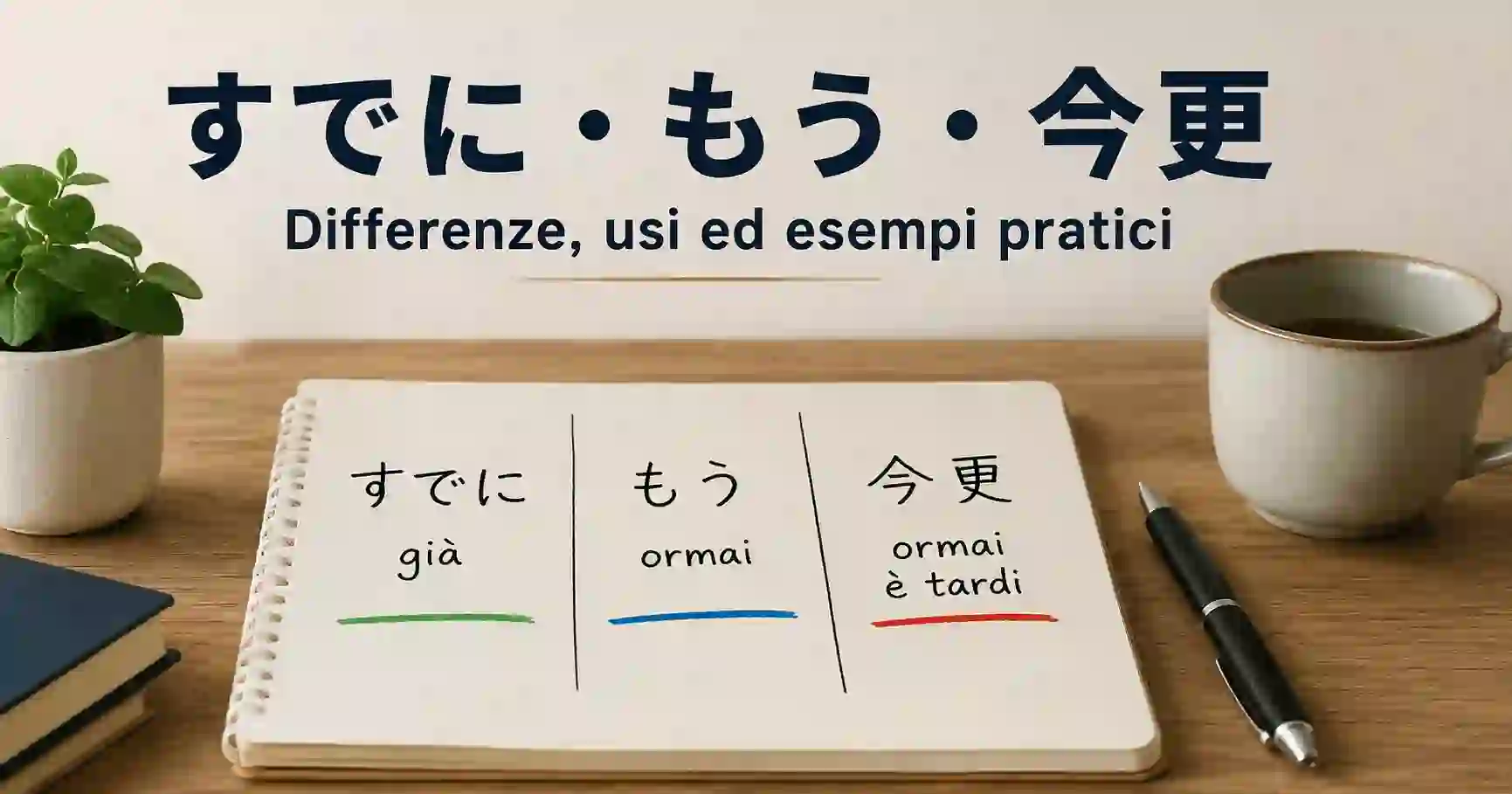
Learn the differences between すでに, もう, and 今更 in modern Japanese. Understand their meanings, usage, nuances, and when to use each through detailed explanations and practical examples.

Complete guide to ものなら in Japanese. Meaning, grammatical function, formation rules, nuances of impossible wishes, challenges, and difficult-to-realize hypotheticals, differences from なら, usage patterns, and example sentences.
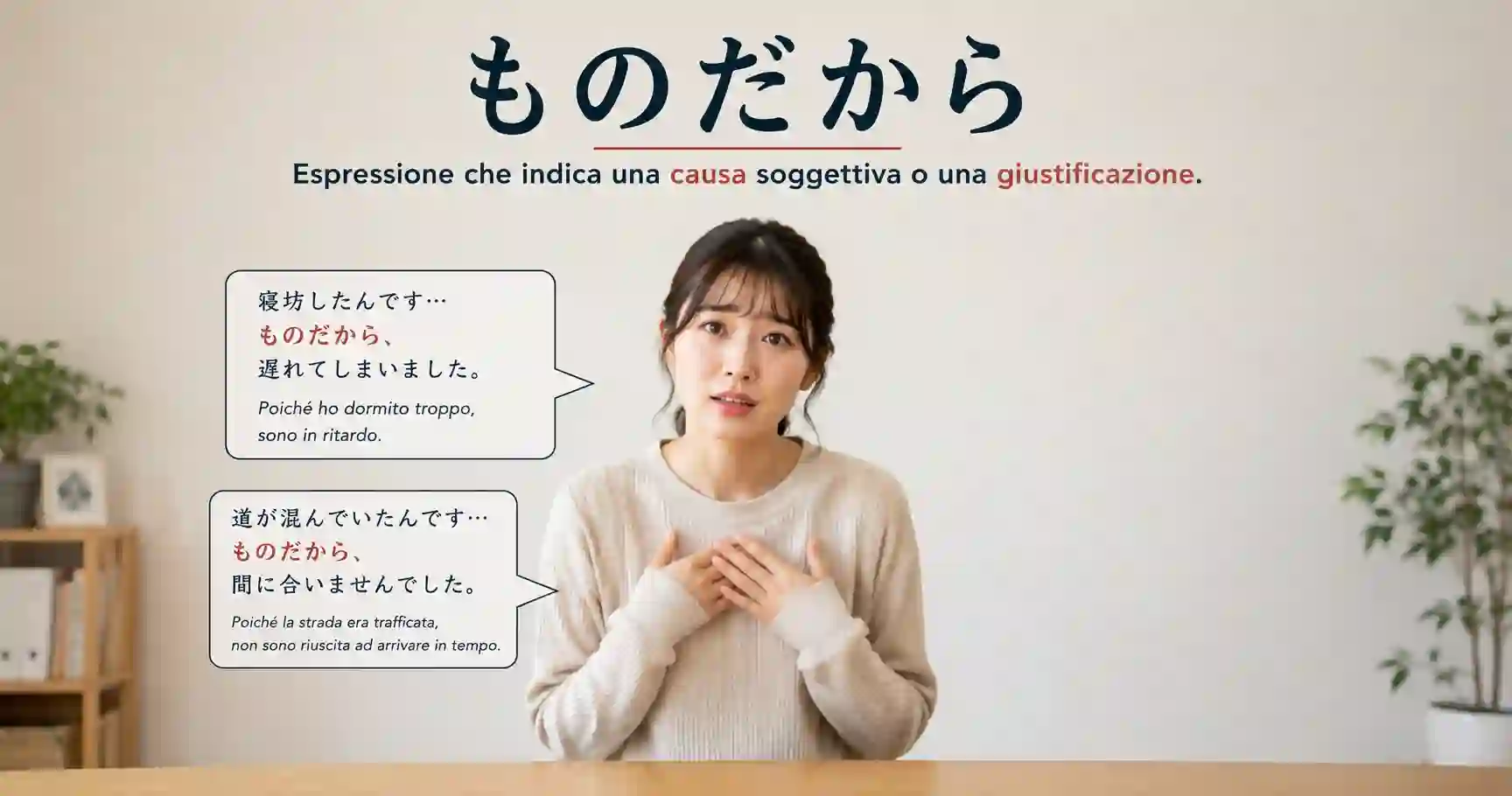
A complete guide to ものだから. Meaning, grammatical function, formation, register, nuances, differences from から, usage examples, and natural contexts in contemporary Japanese.
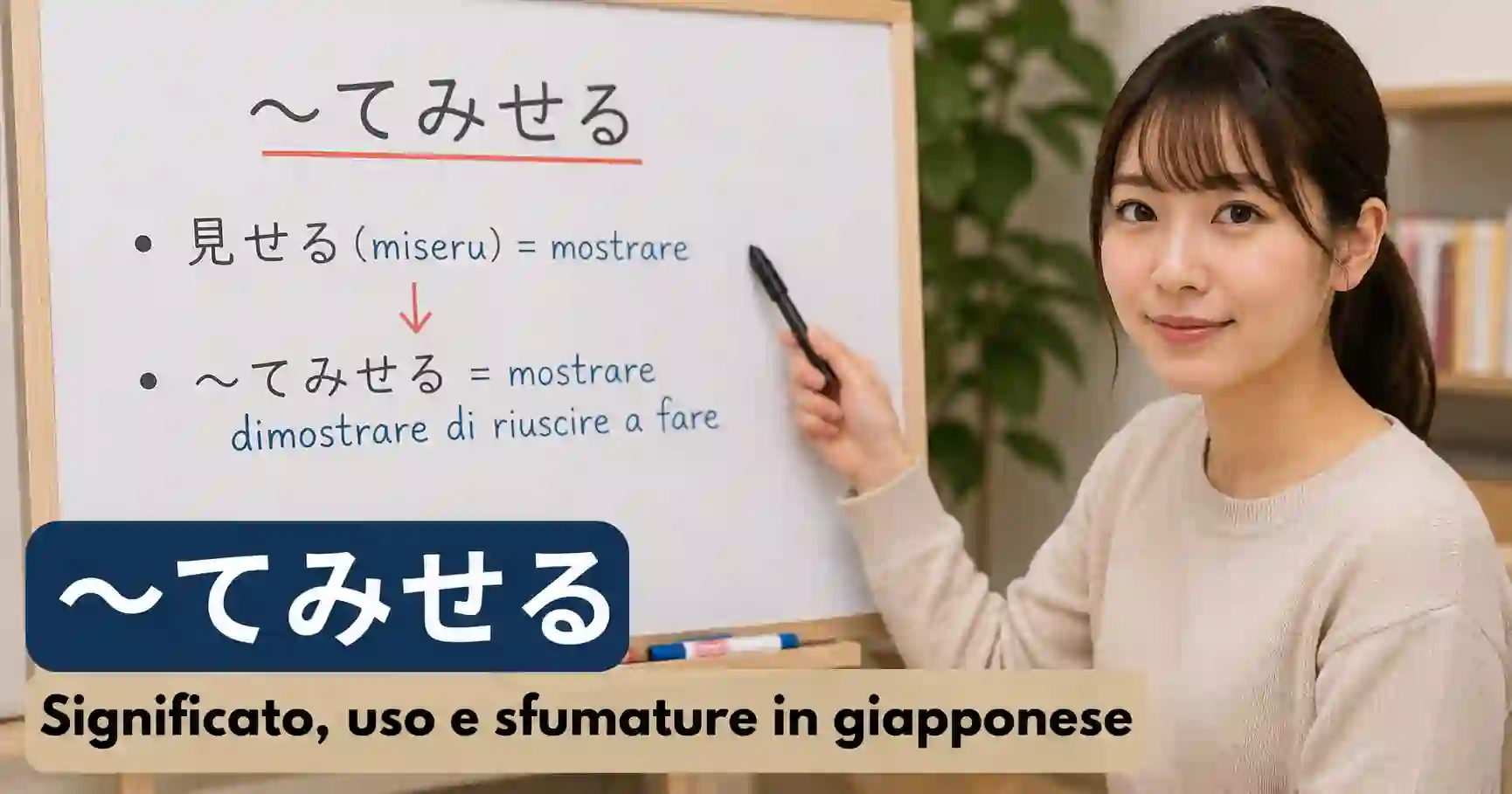
A complete guide to てみせる. Its core meaning, origin from the verb 見せる, grammatical function, differences between literal and idiomatic usage, formation rules, nuances of determination and resolve, detailed examples, and translations.
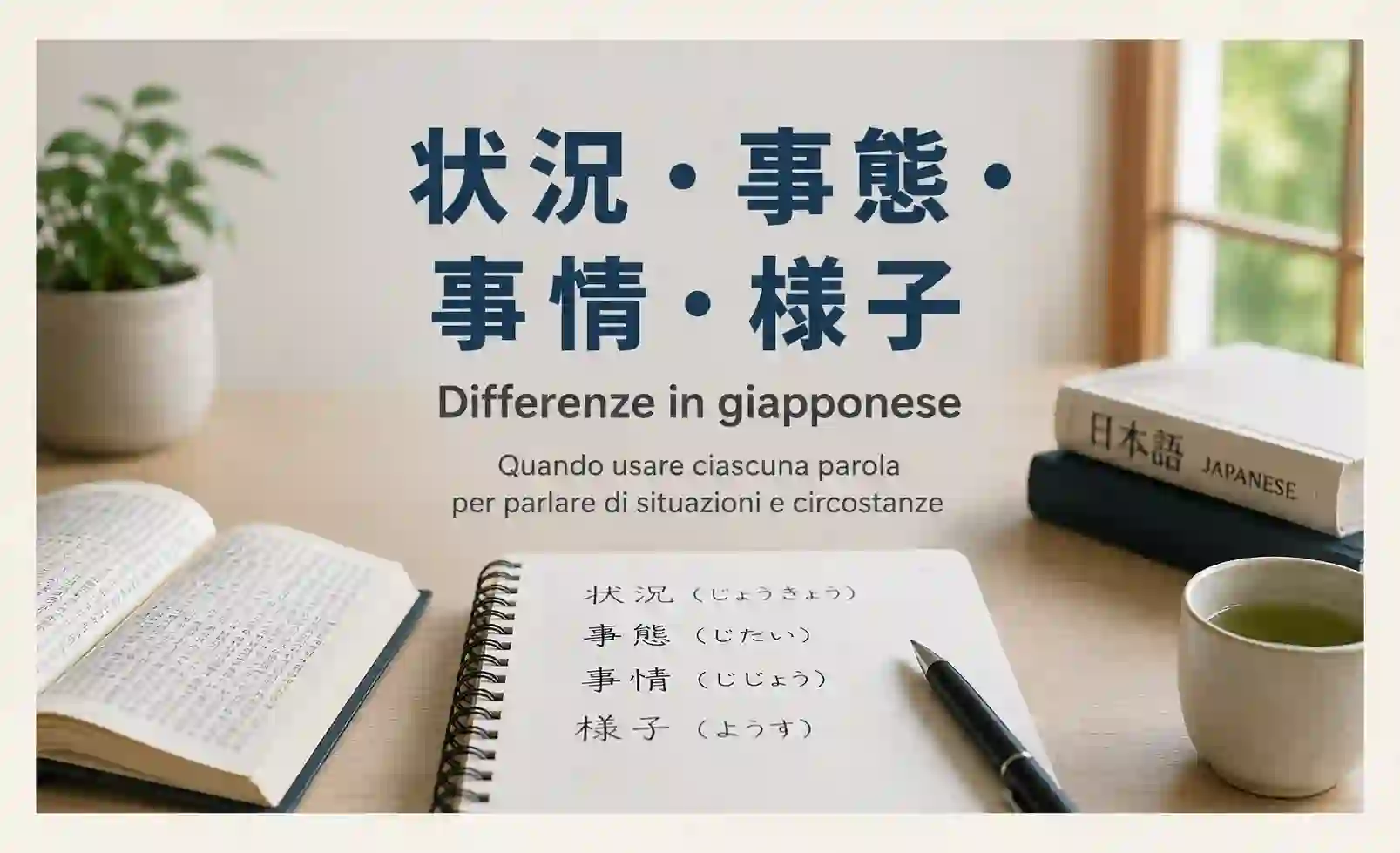
What is the difference between 状況, 事態, 事情, and 様子? A comprehensive study of the main Japanese words used to express situation, circumstances, state of affairs, and context, including kanji analysis, semantic nuances, register, and practical examples.

What is the difference between 性格, 人格, 人柄, and 個性? A comprehensive guide to the main Japanese terms used to describe a person: character, human qualities, moral character, and individuality.
A comprehensive study of とにかく and ともかく. An analysis of their historical origins, linguistic evolution, differences in modern Japanese, usage across registers, and nuanced meanings, with numerous example sentences.

Differences between ~とは限らない, ~わけではない, ~ことにはならない, and ~というものではない. Meaning, nuances, register, underlying logic, and usage patterns compared in detail.

A complete guide to the meaning and usage of というものではない and というものでもない. Learn the structure, grammatical breakdown, examples, nuances, and differences from わけではない and とは限らない.

A comprehensive guide to the grammatical uses of もの in Japanese. Explore the main constructions involving もの, their meanings, usage nuances, key differences, and links to dedicated in-depth articles.

What is the difference between そうになる and ところだった? Learn when to use each form, the nuances they express, what they have in common, and the situations in which they are not interchangeable.

What does ところだった mean in Japanese? Discover its origin, formation, grammatical rules, nuances, usage examples, and differences from similar expressions such as そうになる.
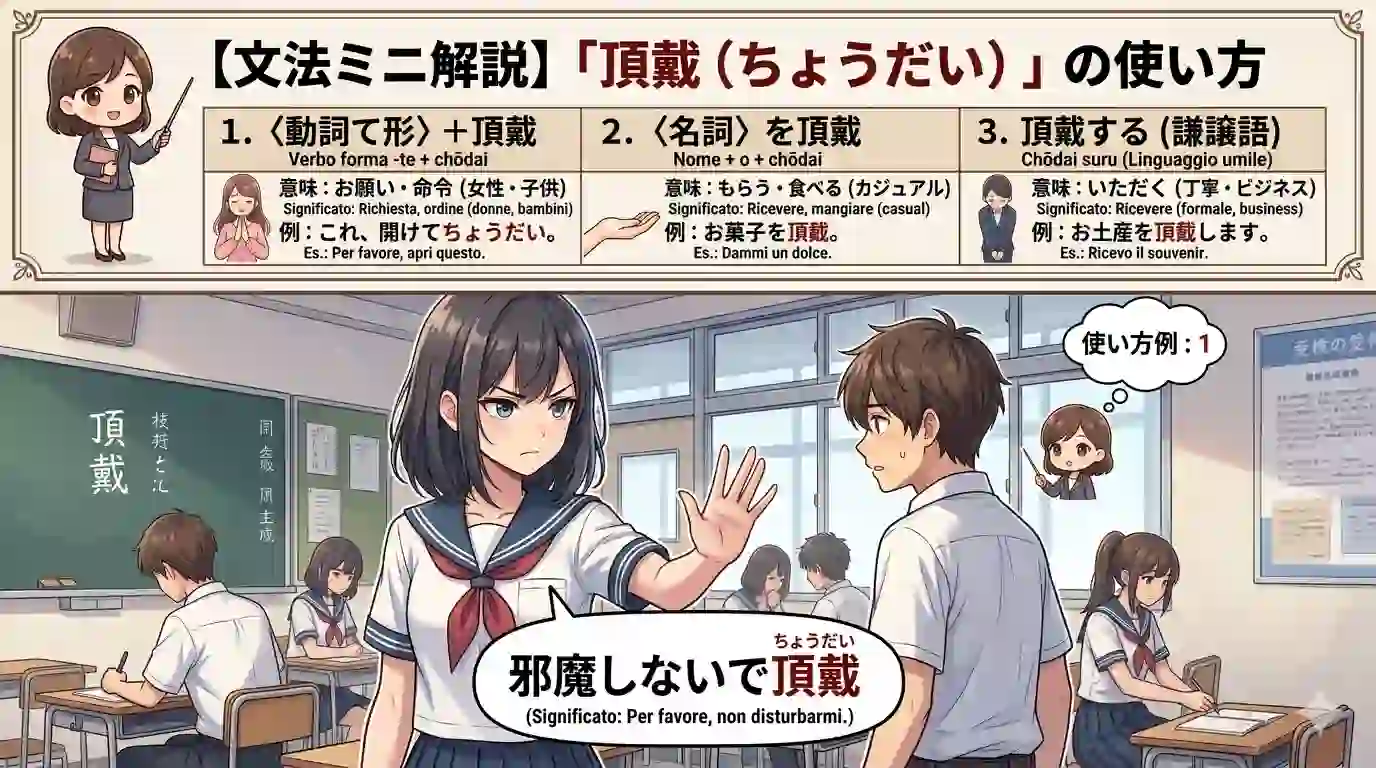
What does 頂戴 (choudai) mean in Japanese? Learn its original humble meaning of 'receiving', its colloquial use for requests, its grammar, historical development, and the differences between 頂戴, いただく, もらう and ください.

A complete guide to the auxiliary verb ~込む(こむ)in Japanese: meaning, grammatical function, historical origin, formation rules, and its main nuances. Discover how 込む modifies verbs and what differences it creates compared with the base form, with clear examples and in-depth explanations.

What is the Japanese suffix 的(teki)? Discover the meaning, grammatical function, historical origin, formation rules, and usage register of one of the most productive structures in Japanese.

An advanced guide to the main Japanese verbs that express going up, going down, raising, lowering, climbing, getting on a vehicle, and setting. 上がる, 上げる, 登る, 昇る, 乗る, 降りる, 下る, 下がる, 沈む and other Japanese verbs of ascent and descent. A complete explanation with nuances, examples, and real usage.

How do you say divide, separate, or break in Japanese? A guide to the meaning, usage, and differences between key Japanese verbs such as 分ける (wakeru), 分かれる (wakareru), 別れる, 割る, 折る, 裂く, 砕く, 千切る, 分裂する, and other transitive-intransitive pairs.
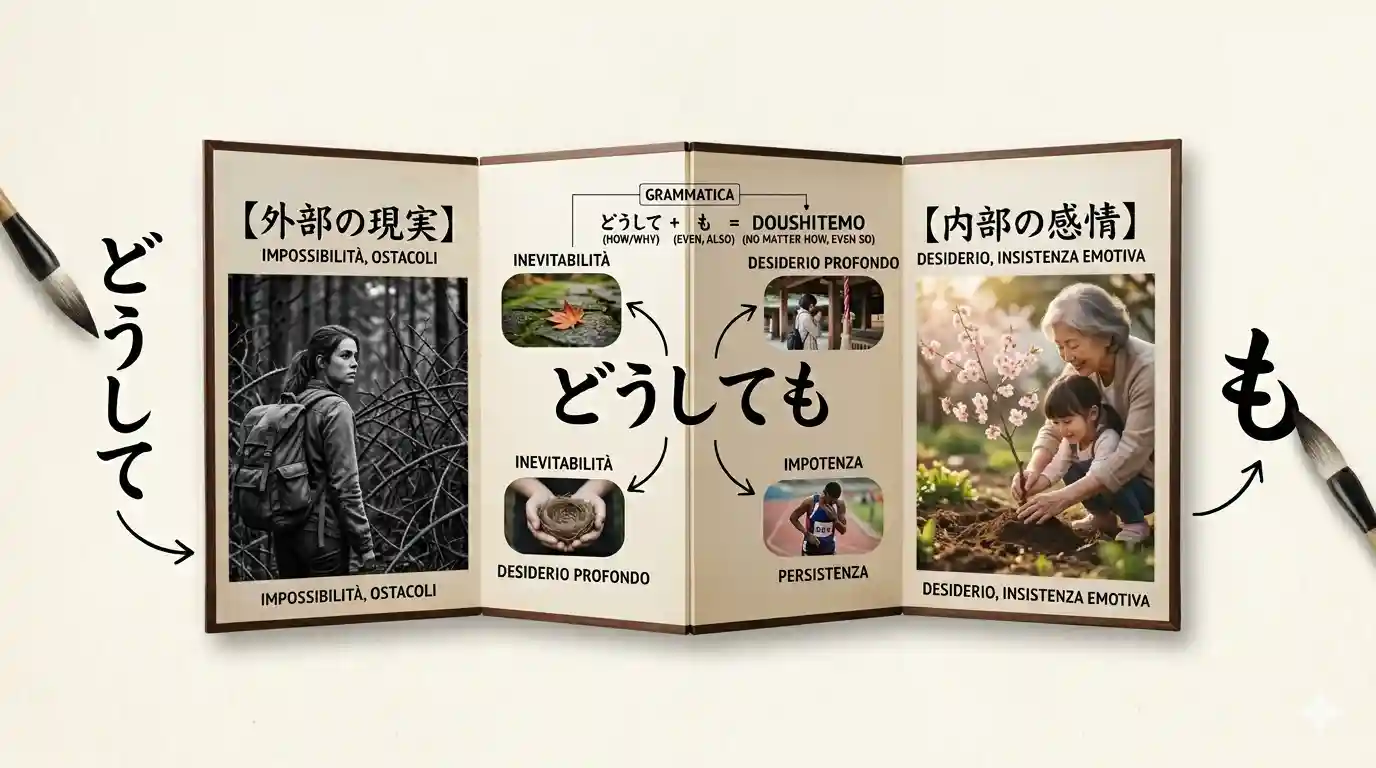
What does どうしても really mean in Japanese? Discover its uses with strong desire, impossibility, unavoidable necessity, and emotional insistence. A complete analysis with examples, psychological nuances, and real-world usage.
What does すみません (sumimasen) really mean? A complete analysis of its origin from 済む, its historical development, grammatical structure, modern usage, register, and emotional nuances. With an in-depth comparison with すまない, ごめん, ごめんなさい, and 申し訳ありません.
A complete analysis of たまえ: its historical origin from たまふ/たまう, grammatical mechanism, 連用形 + たまえ structure, semantic evolution, and usage in modern Japanese. An in-depth look at its transformation from a deferential request into authoritarian language, with references to 役割語, 上司語, and Classical Japanese.
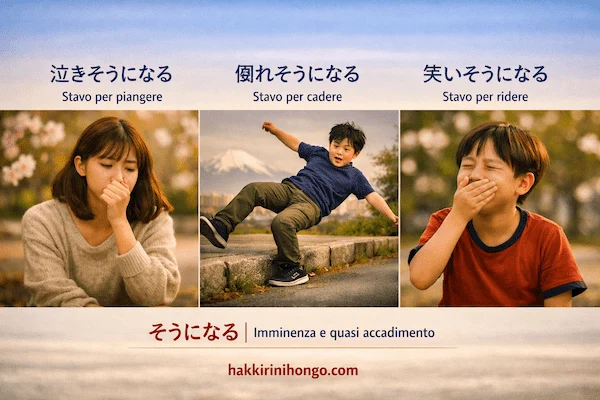
What does ~そうになる mean in Japanese? Learn how this grammar pattern expresses imminence and near-occurrence, how it is formed, how it differs from ~かける and ~ようになる, and how it is used in real Japanese.
A complete guide to もの (mono) and ものだ in Japanese: the original meaning of 物, its grammatical evolution, emotional and explanatory uses, expressive nuance, the differences between もの・もん・ものだ, and an in-depth analysis of the main shades of meaning with examples.

What is the difference between 合同する, 統一する and 一元化する? Learn how to distinguish cooperation, uniformity and centralization through clear explanations, practical examples and real-world usage.
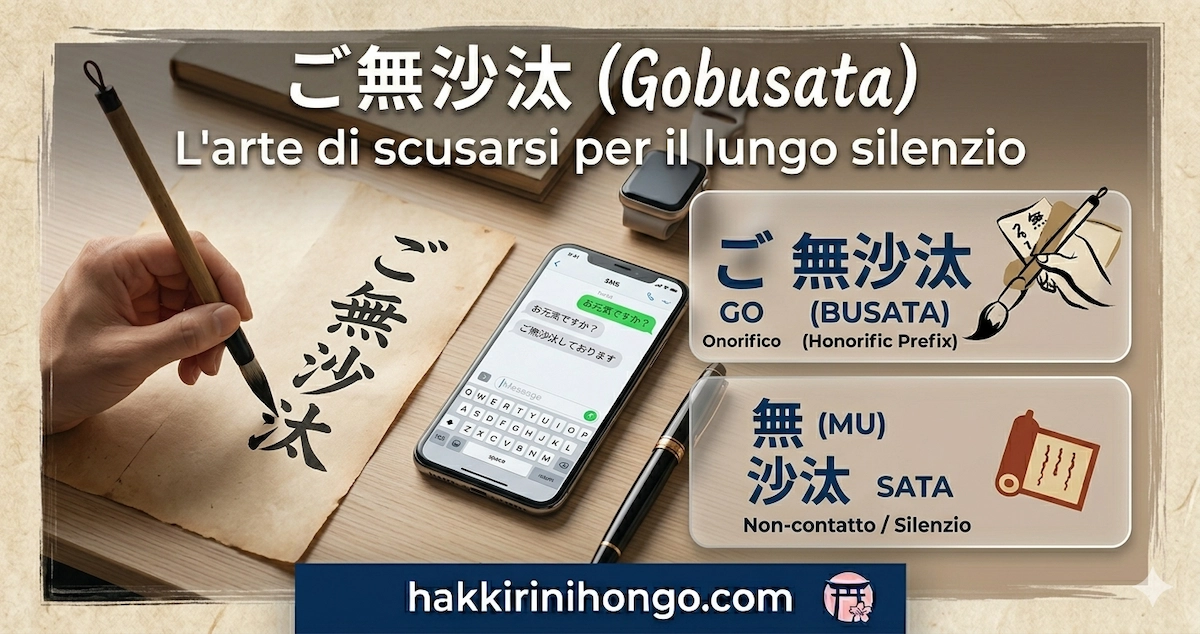
What is the origin of ご無沙汰 (gobusata)? It does not simply mean 'it's been a long time': it derives from the idea of an absence of contact or communication. A historical, etymological, and practical analysis of its use in modern Japanese, including an implicit comparison with 久しぶり.

Discover the true meaning of the Japanese suffix ~性 (せい): not just '-ity', but abstract properties, inherent nature, and analyzable categories. A complete explanation of its origin, grammatical function, combination rules, and differences from ~さ, ~み, and ~的.
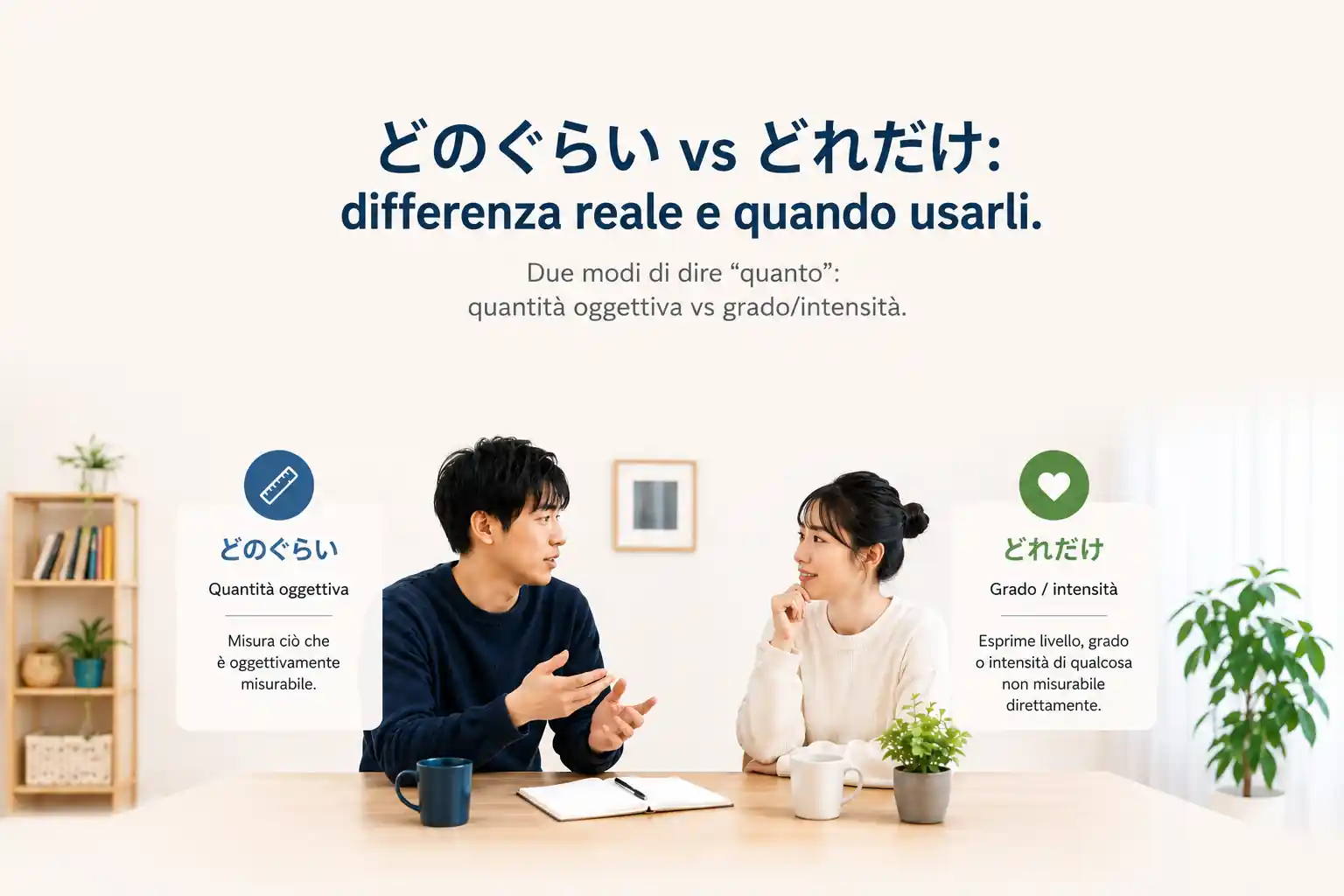
What is the difference between どのぐらい (dono gurai) and どれだけ (doredake)? Both are often translated as 'how much', but they are not fully interchangeable. Learn their real meanings, usage patterns, and nuances through clear explanations and examples.
What does わけではない really mean? Far more than simply 'it’s not that'. A complete analysis of the structure, a grammatical dissection of わけ・では・ない, the concept of partial negation, and its real-world usage in Japanese. An advanced explanation with examples and comparisons.
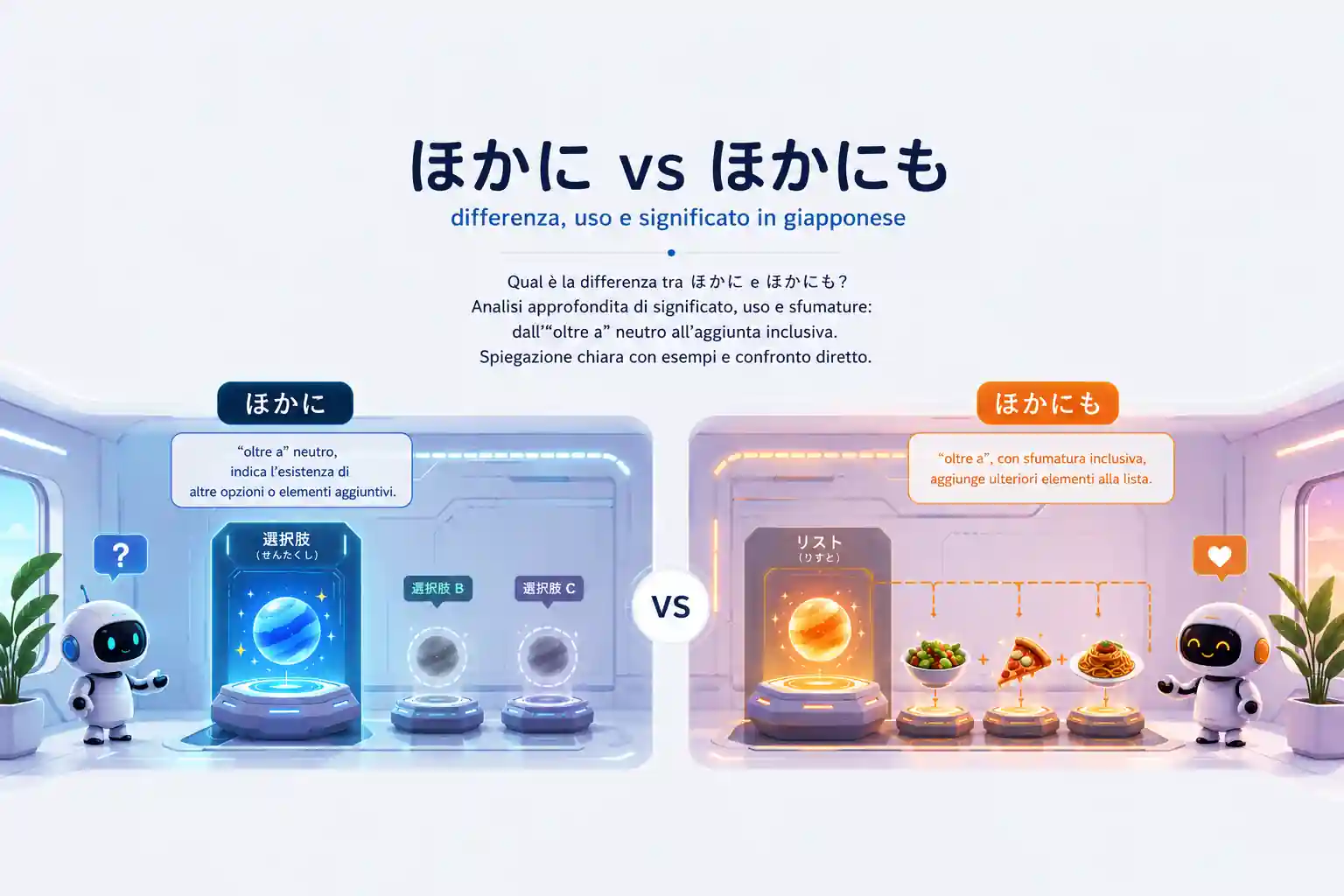
What is the difference between ほかに and ほかにも? An in-depth analysis of meaning, usage, and nuance: from the neutral idea of 'besides' to inclusive addition. A clear explanation with examples and direct comparison.
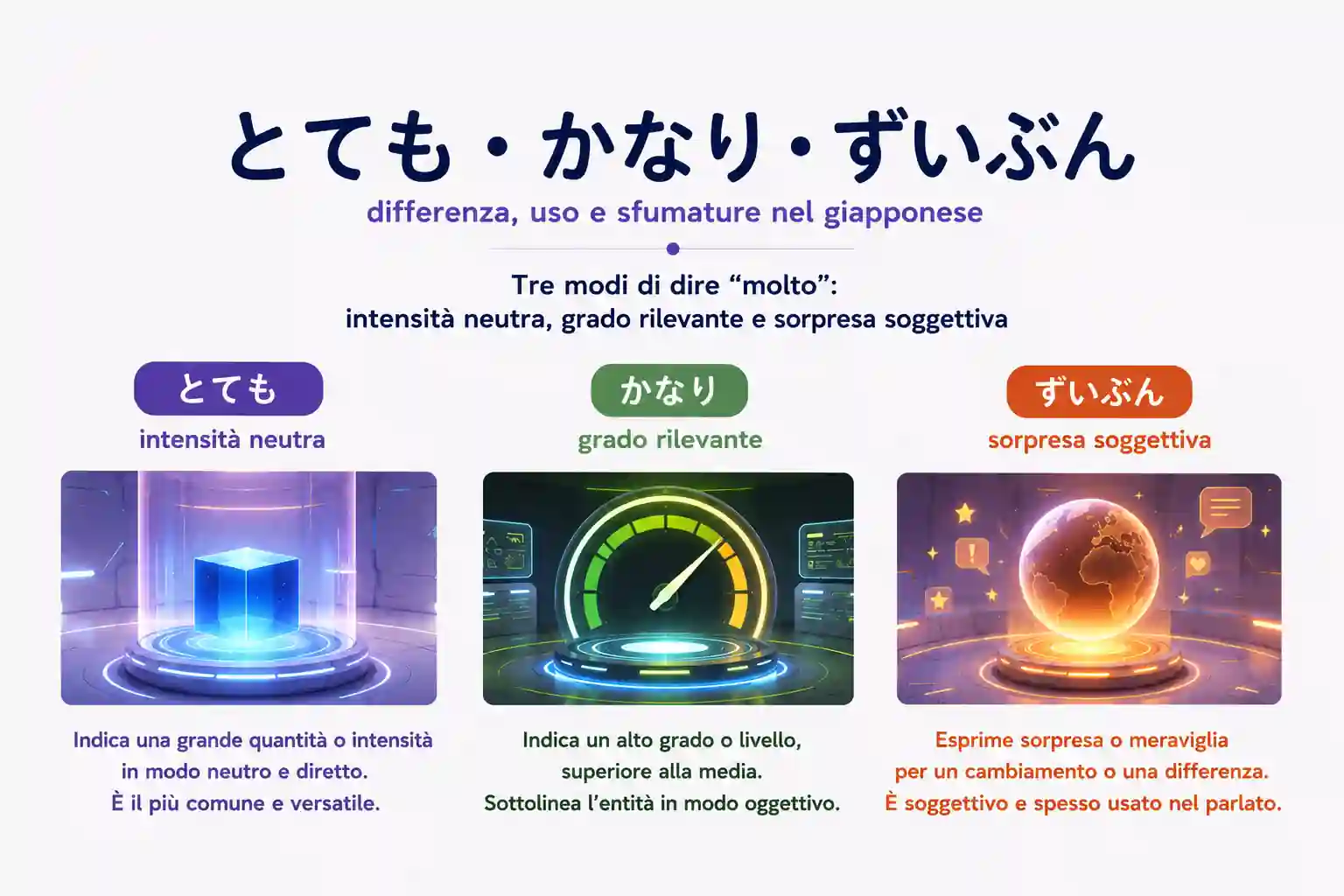
What is the difference between とても, かなり, and ずいぶん in Japanese? A complete analysis of their meaning, usage, and nuances: neutral intensity, a notable degree, and subjective evaluation with an element of surprise. A detailed study with examples and comparisons of three widely used adverbs.

How do you say ‘something’, ‘someone’, and ‘some people’ in Japanese? Discover the meaning of 何か, 誰か, and 何人か, and how the particle か creates indefiniteness. A clear and in-depth explanation.
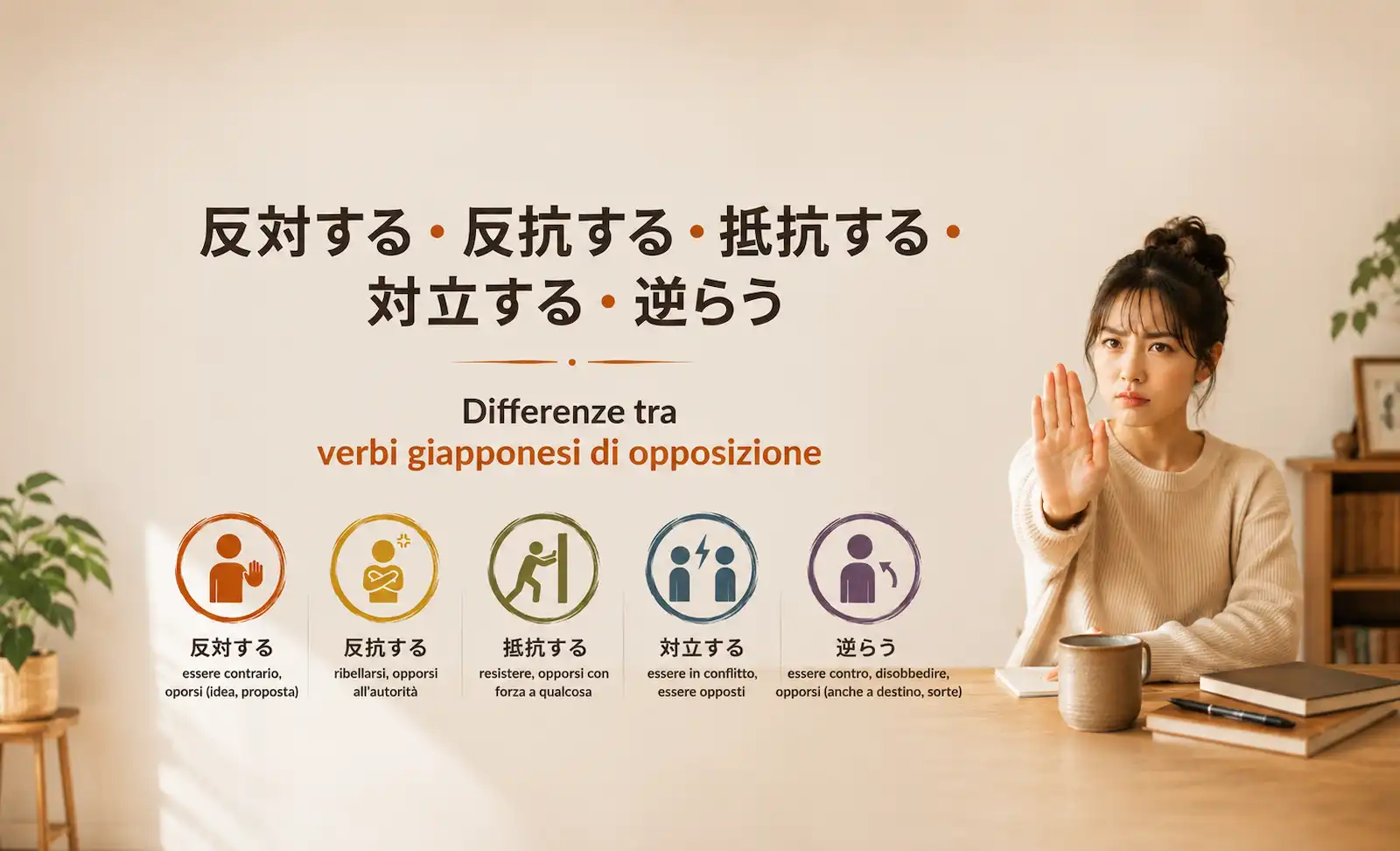
What is the difference between 反対する, 反抗する, 抵抗する, 対立する, and 逆らう? An analysis of the kanji, precise meanings, nuances, and usage contexts with examples. A guide to Japanese verbs of opposition (JLPT N3–N2).
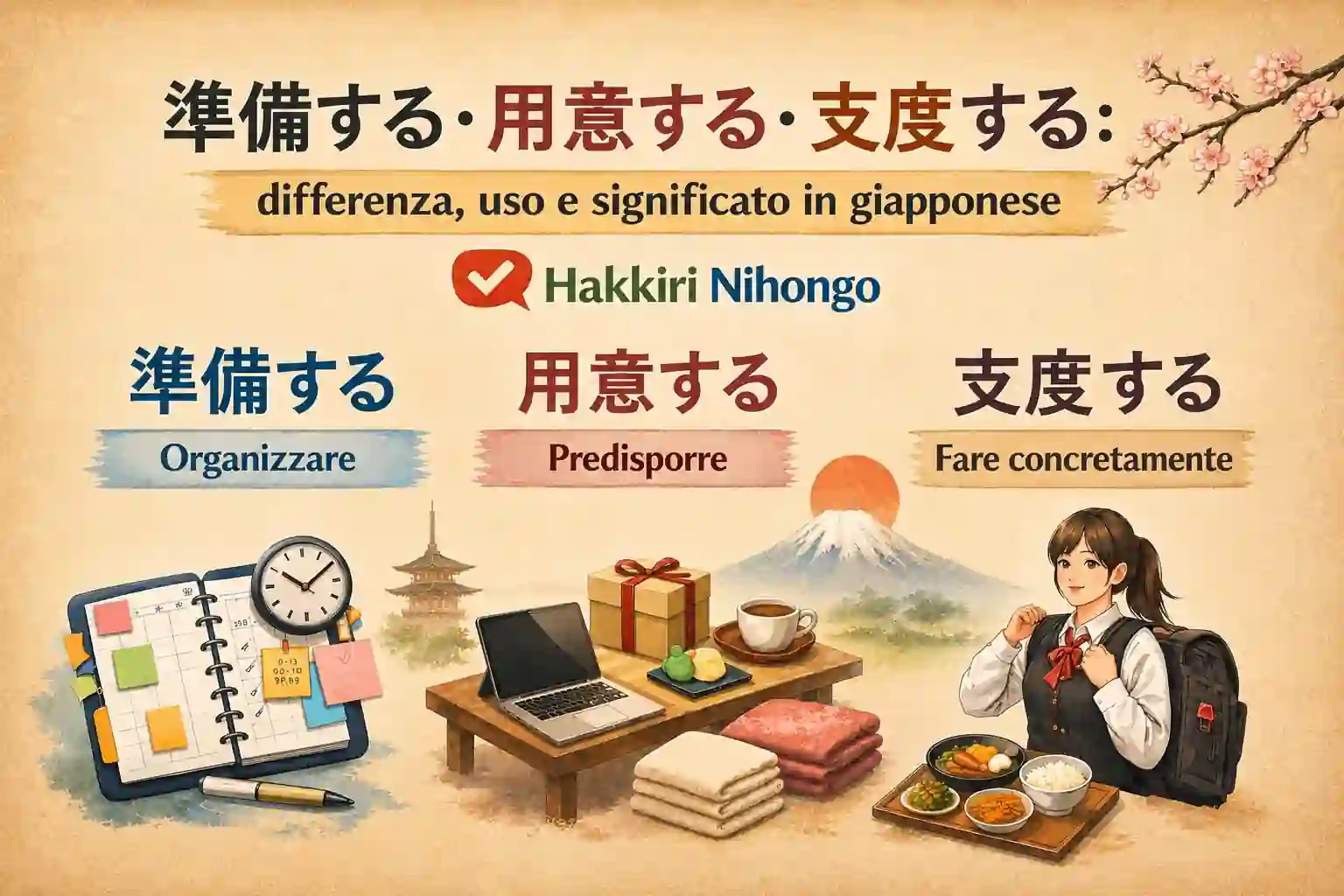
What is the difference between 準備する, 用意する, and 支度する? A complete analysis of the meaning, nuances, usage contexts, and register of three Japanese verbs commonly translated as “to prepare,” with examples and a detailed comparison.
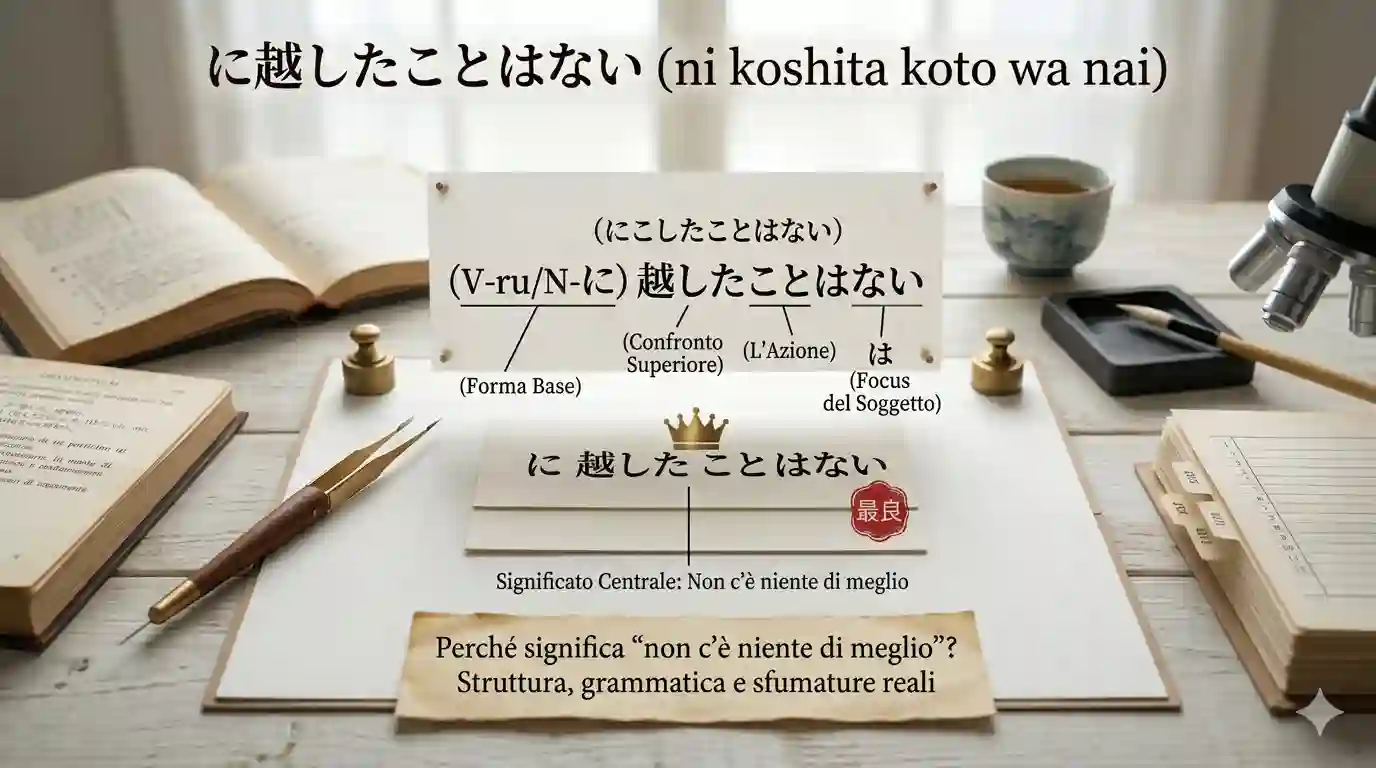
What does に越したことはない mean in Japanese? This article breaks down the structure に + 越した + ことはない, explains its meaning, usage, and pragmatic nuance, and compares it with ほうがいい, べきだ, and に限る.
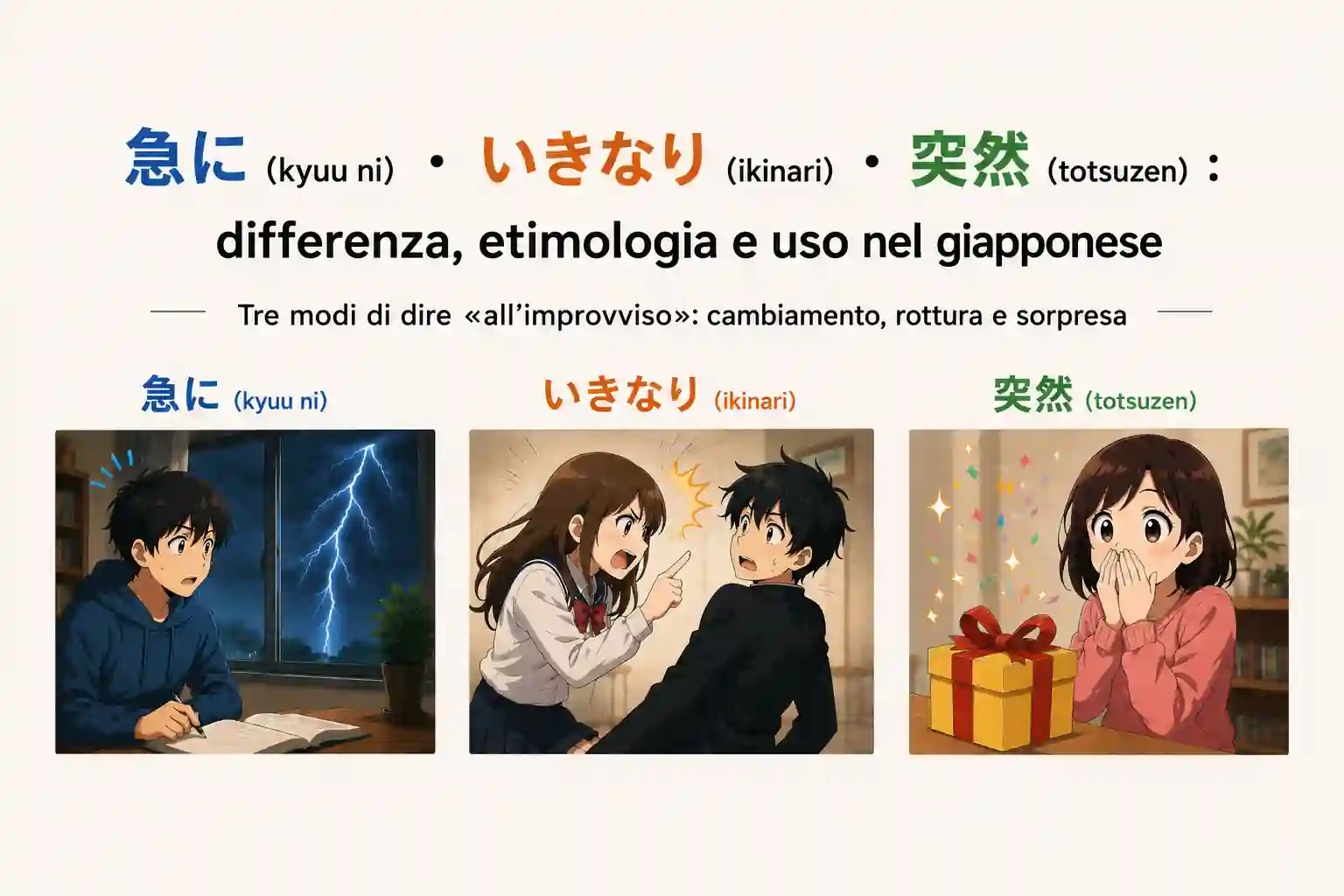
What is the difference between 急に (kyū ni), いきなり (ikinari), and 突然 (totsuzen)? A complete analysis of the etymology, meaning, and usage of three Japanese adverbs often translated as ‘suddenly’, with examples and a detailed comparison.
Discover the real meaning of the Japanese suffix ~め: not just degree, but deviation from a standard. An in-depth grammatical analysis with examples and nuanced explanations.
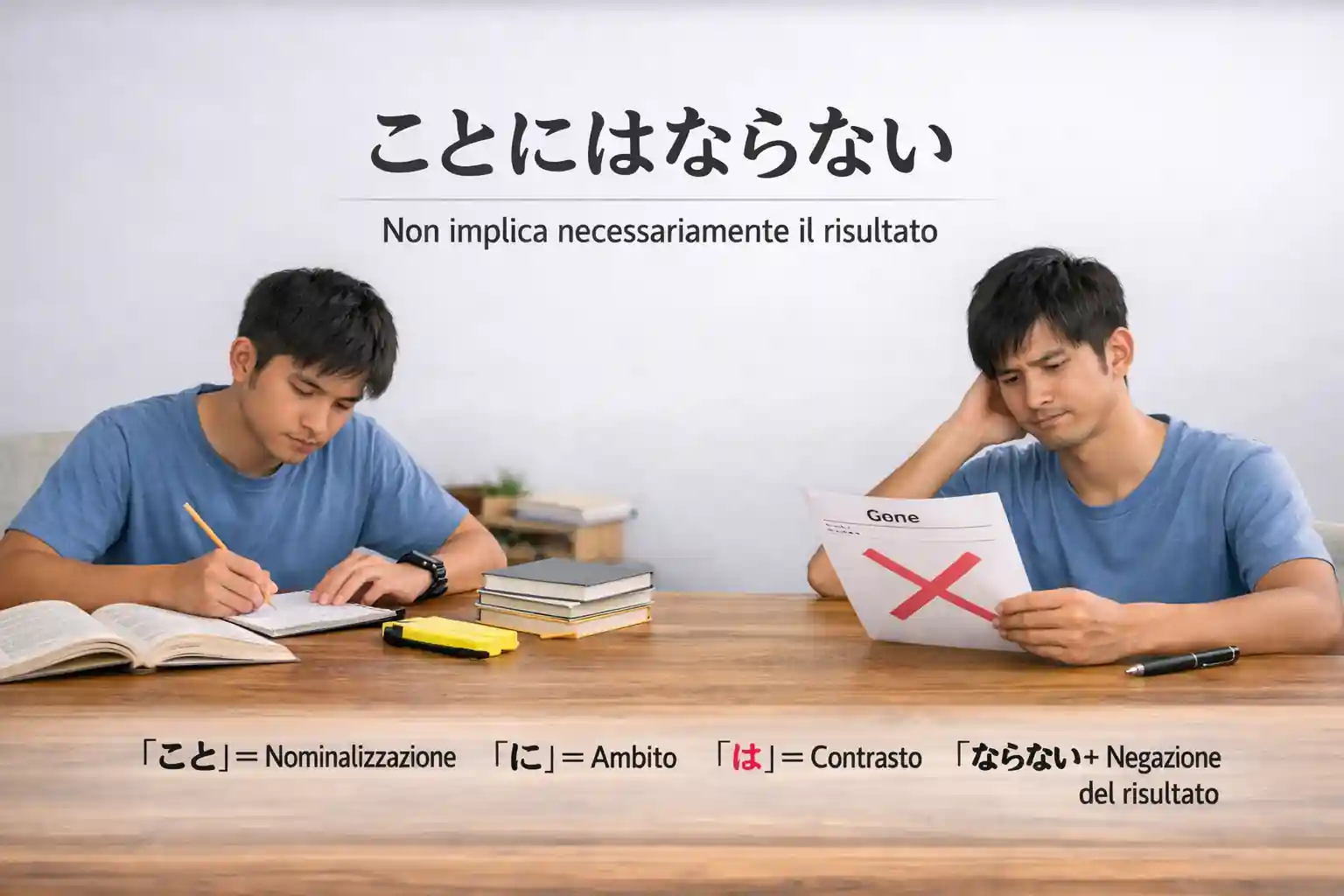
An in-depth study of the construction ことにはならない: breakdown of its components, grammatical interaction, compositional and idiomatic value, and a brief comparison with similar structures such as とは限らない, というわけではない, and というものでもない. (JLPT N2).
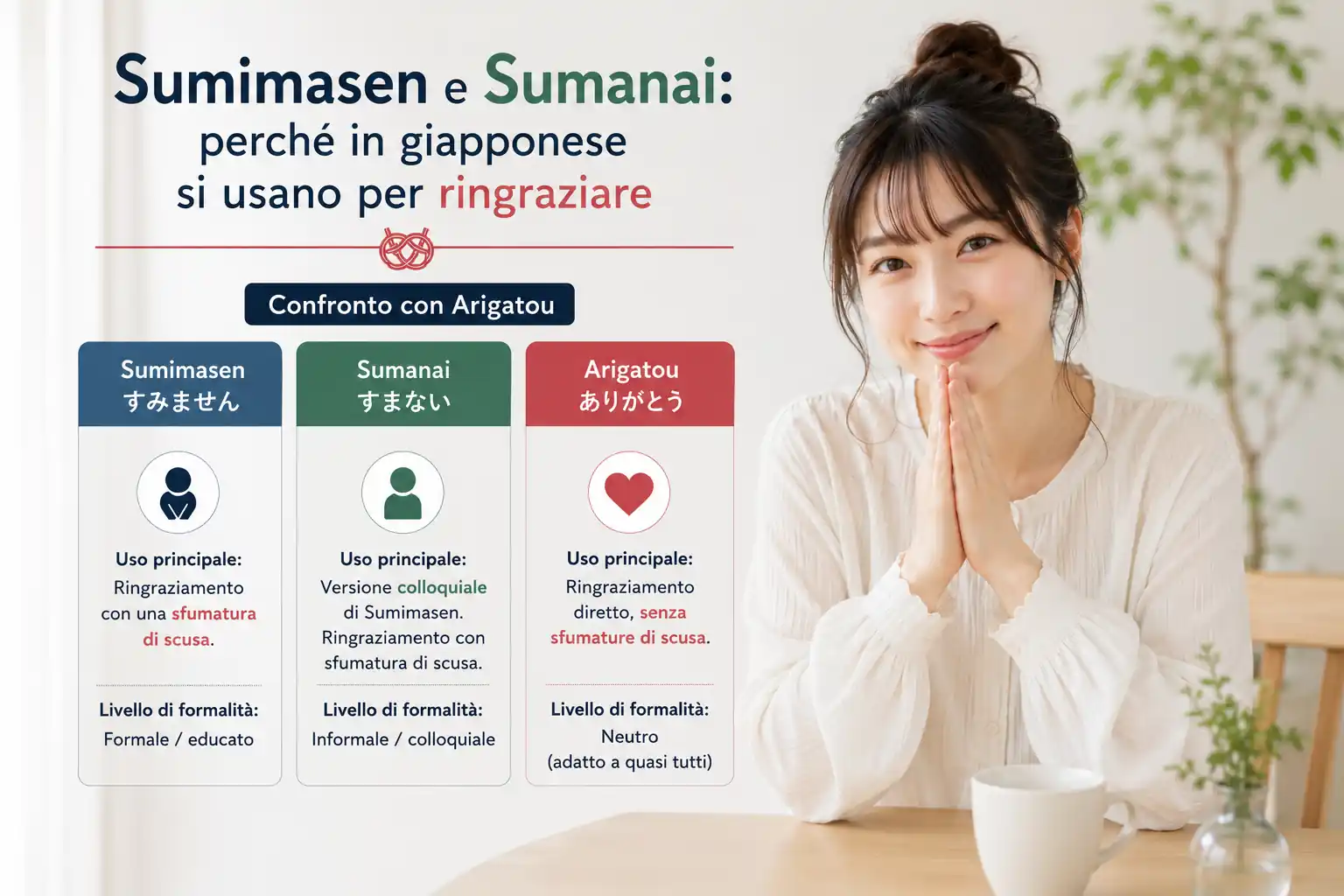
Why can sumimasen also mean “thank you” in Japanese? A linguistic analysis of the verb 済む (sumu), its semantic evolution, and a comparison with arigatou in real Japanese usage.

What is the origin of na-adjectives in Japanese? A historical and etymological explanation of Japanese na adjectives, the meaning of な, their evolution from classical copular forms such as なり and なる, and why they developed as a category distinct from i-adjectives.
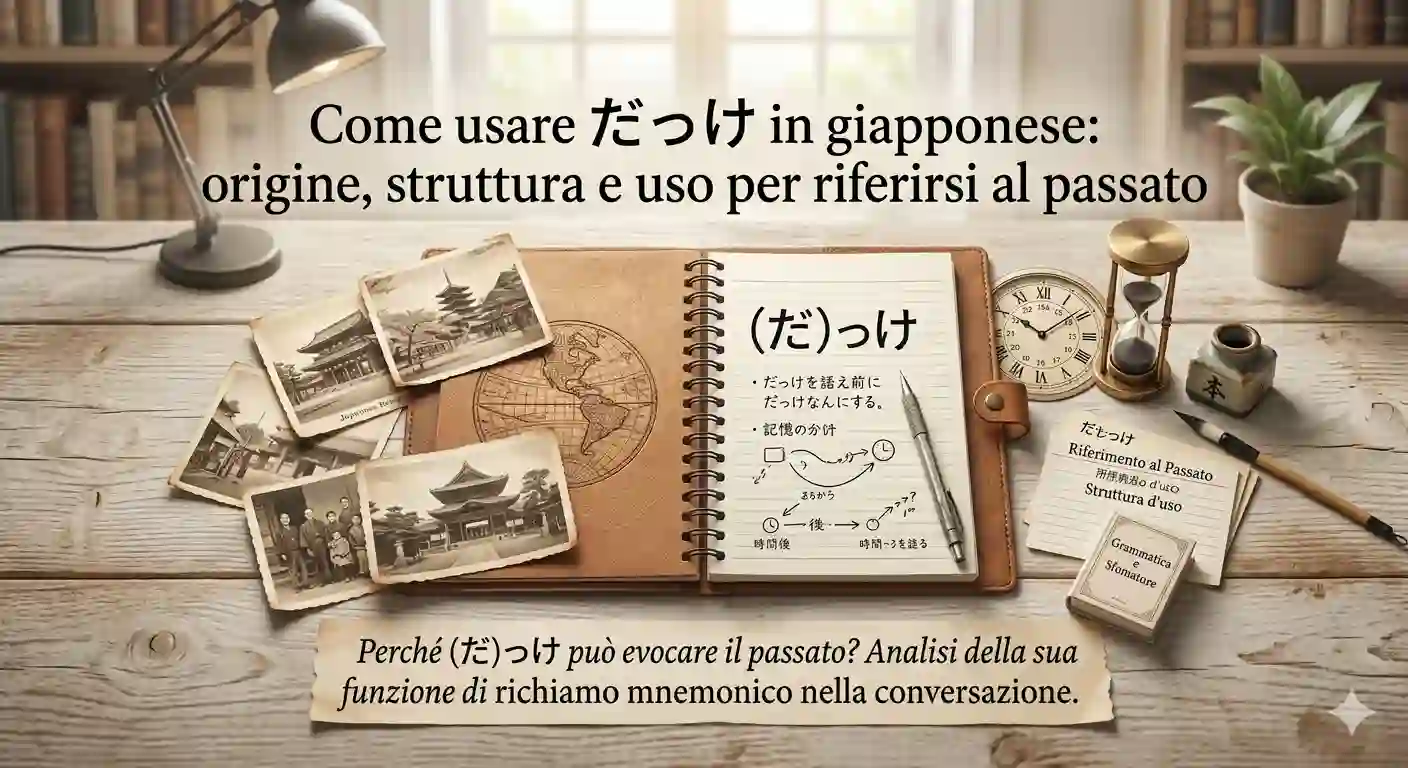
A detailed guide to the Japanese colloquial particle だっけ: origin, grammatical structure, and how it is used to recall past information. Includes its nuances compared with standard past forms such as 〜た and 〜だった in modern Japanese.
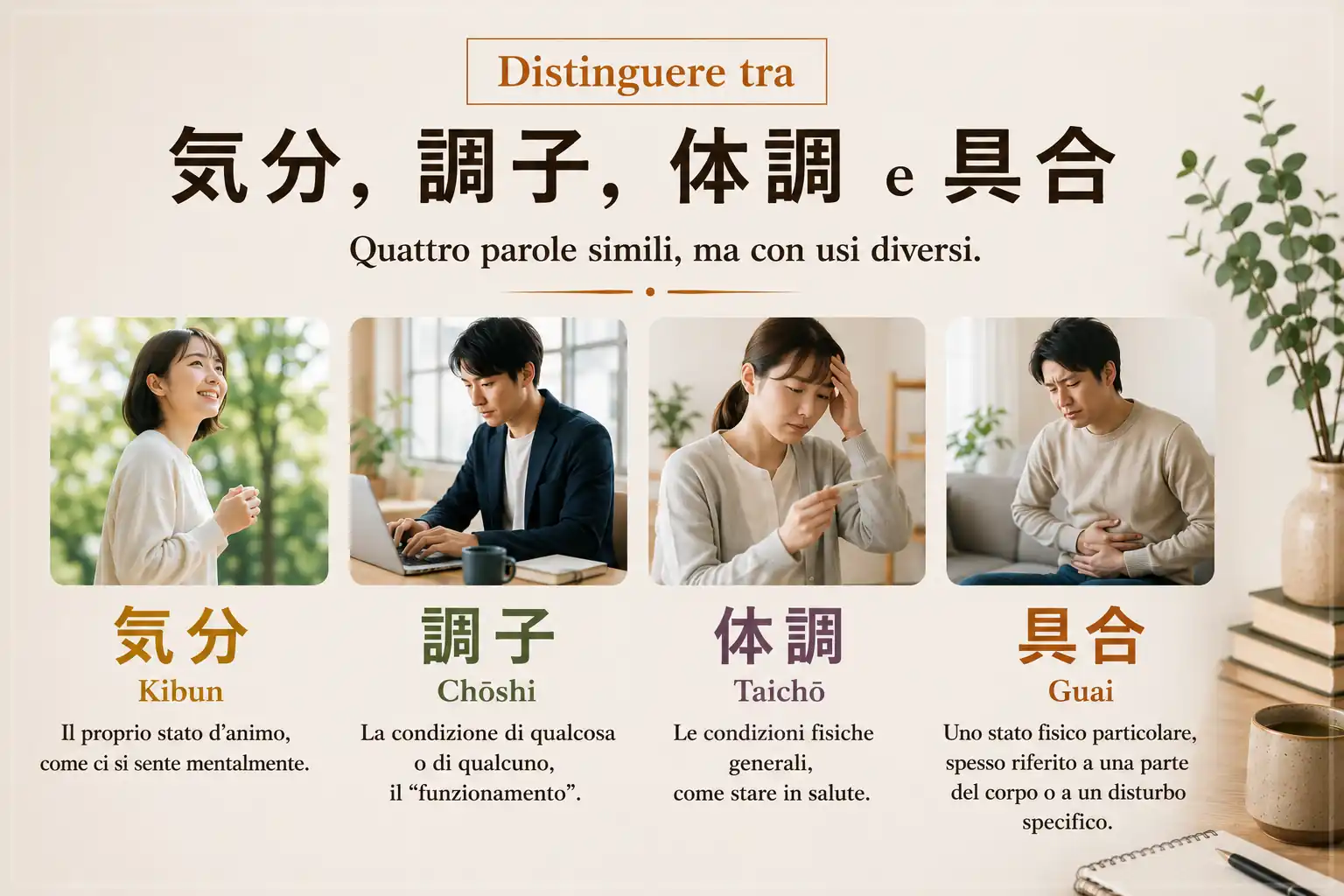
The differences between 気分 (kibun), 調子 (chōshi), 体調 (taichō), and 具合 (guai): an analysis of their semantic nuances and usage criteria in contemporary Japanese (JLPT N3).

An in-depth analysis of the Japanese marker のか: structure, nuance, and comparisons with か and のだ. Learn how のか expresses doubt, conjecture, and suspended judgment in modern Japanese (JLPT N3–N2).

What is the difference between 大半 (taihan), 大部分 (daibubun), and ほとんど (hotondo)? A detailed analysis of meaning, semantic nuances, usage contexts, and selection criteria in modern Japanese (JLPT N3).
What does とは限らない really mean? This article examines its internal structure, grammatical mechanism, pragmatic nuance, common usage patterns, and differences from わけではない.
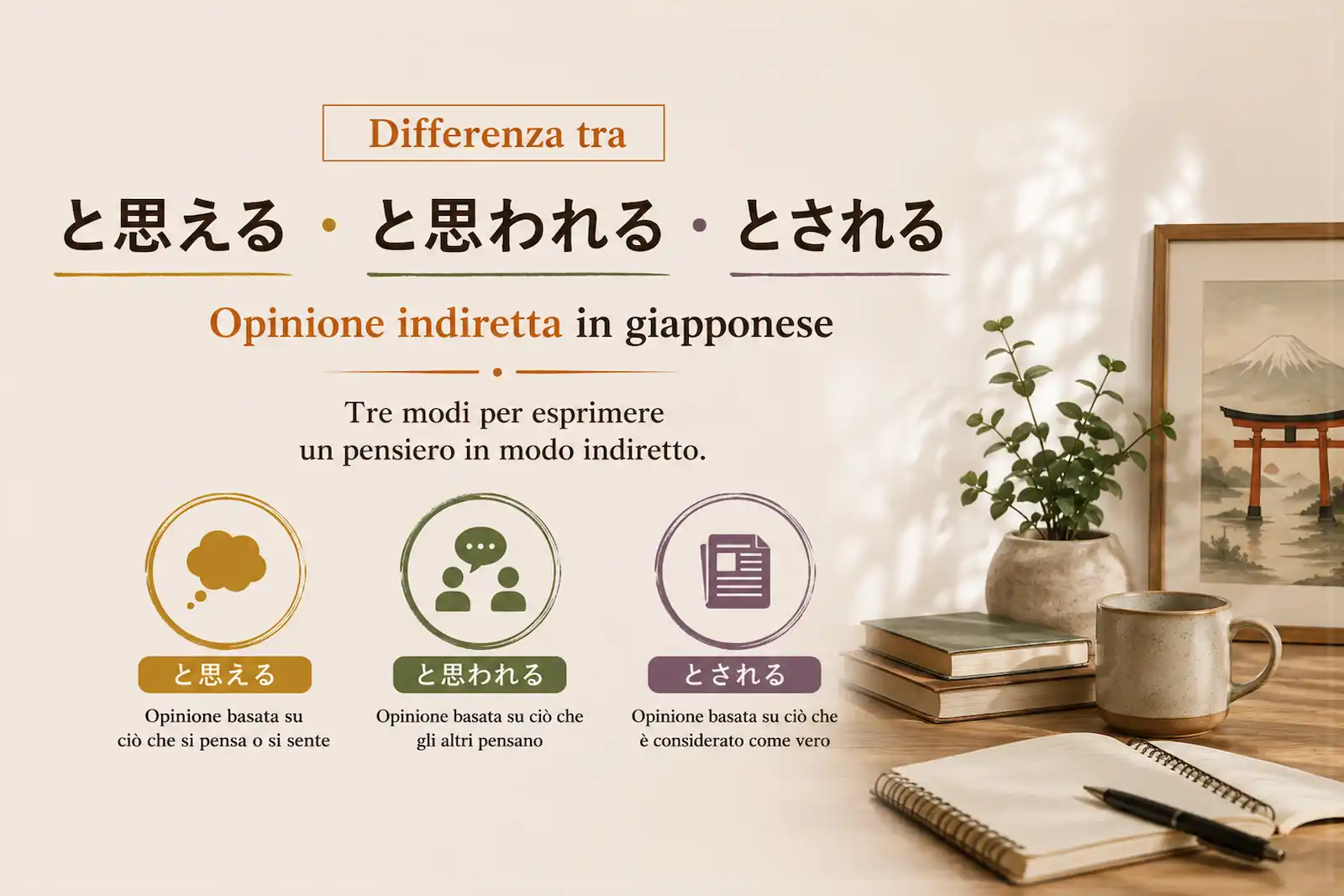
What is the difference between と思える, と思われる, and とされる? An in-depth comparison of meaning, usage, degree of subjectivity, and level of formality when expressing indirect opinions in Japanese (JLPT N2).
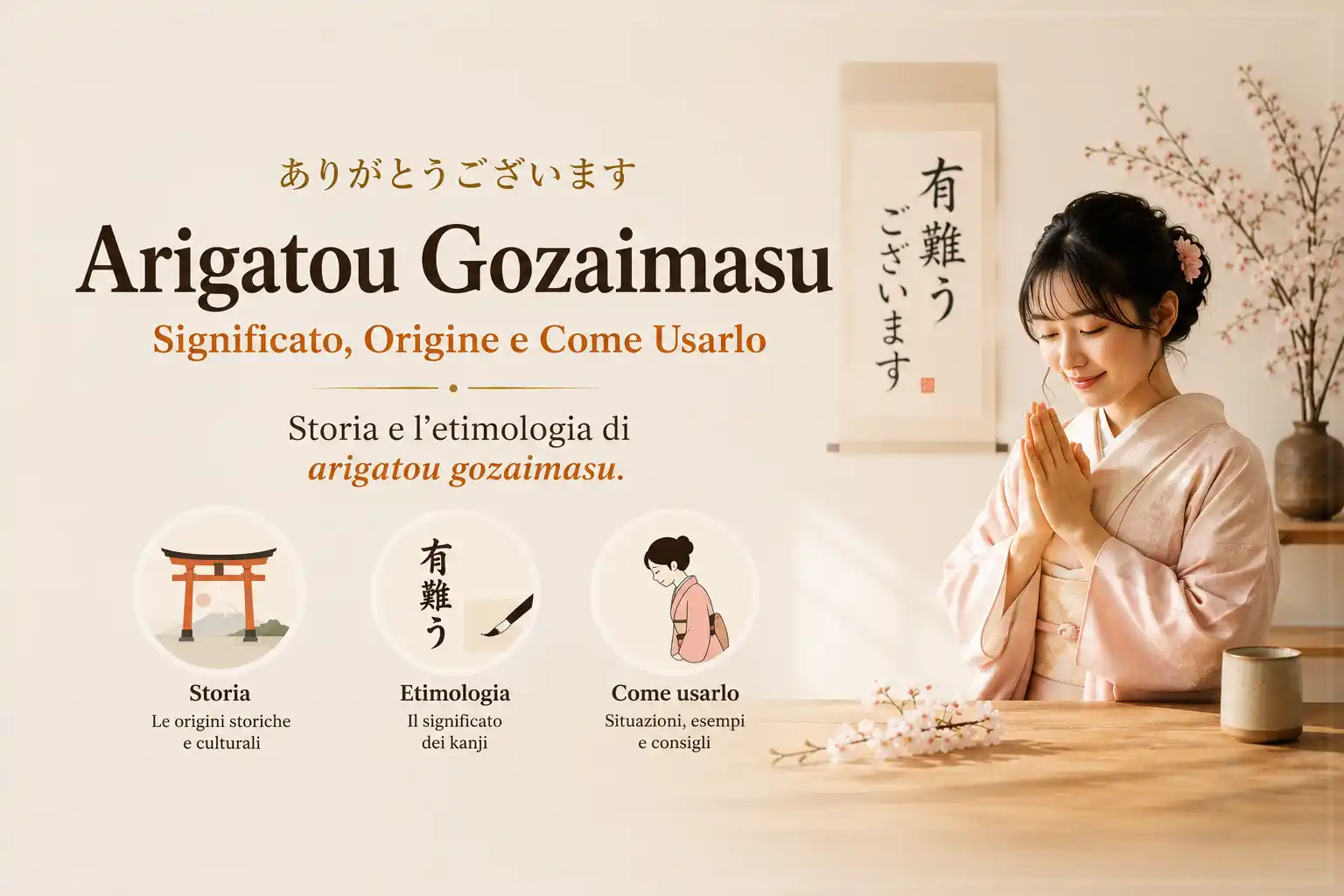
The formation and history of one of the most widely known expressions of gratitude in the world.

What does emotional ~させられる mean in Japanese? Learn the difference between the standard causative passive and expressions like 考えさせられる, 感動させられる, 泣かされる, and 驚かされる.

What is the difference between 空気, 環境, and 雰囲気 in Japanese? Learn the meaning of each word and how to distinguish social atmosphere, objective environment, and the impression a place or situation gives.
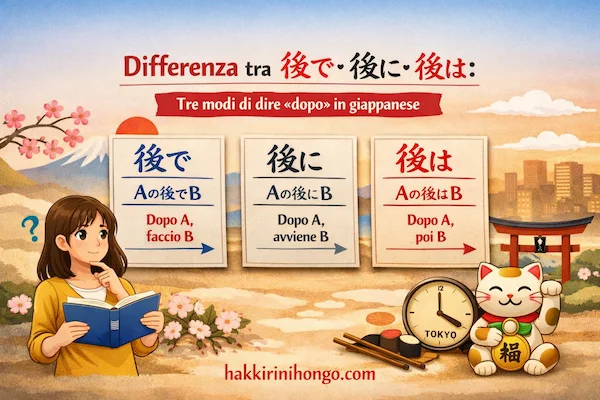
What is the difference between 後で, 後に, and 後は in Japanese? This guide explains the meaning of each form, how to use them, and how to distinguish sequence, a later point in time, and what happens next as the focus of the sentence.