Category: History of Grammar
The historical side of Japanese grammar: origins, development, and linguistic background.
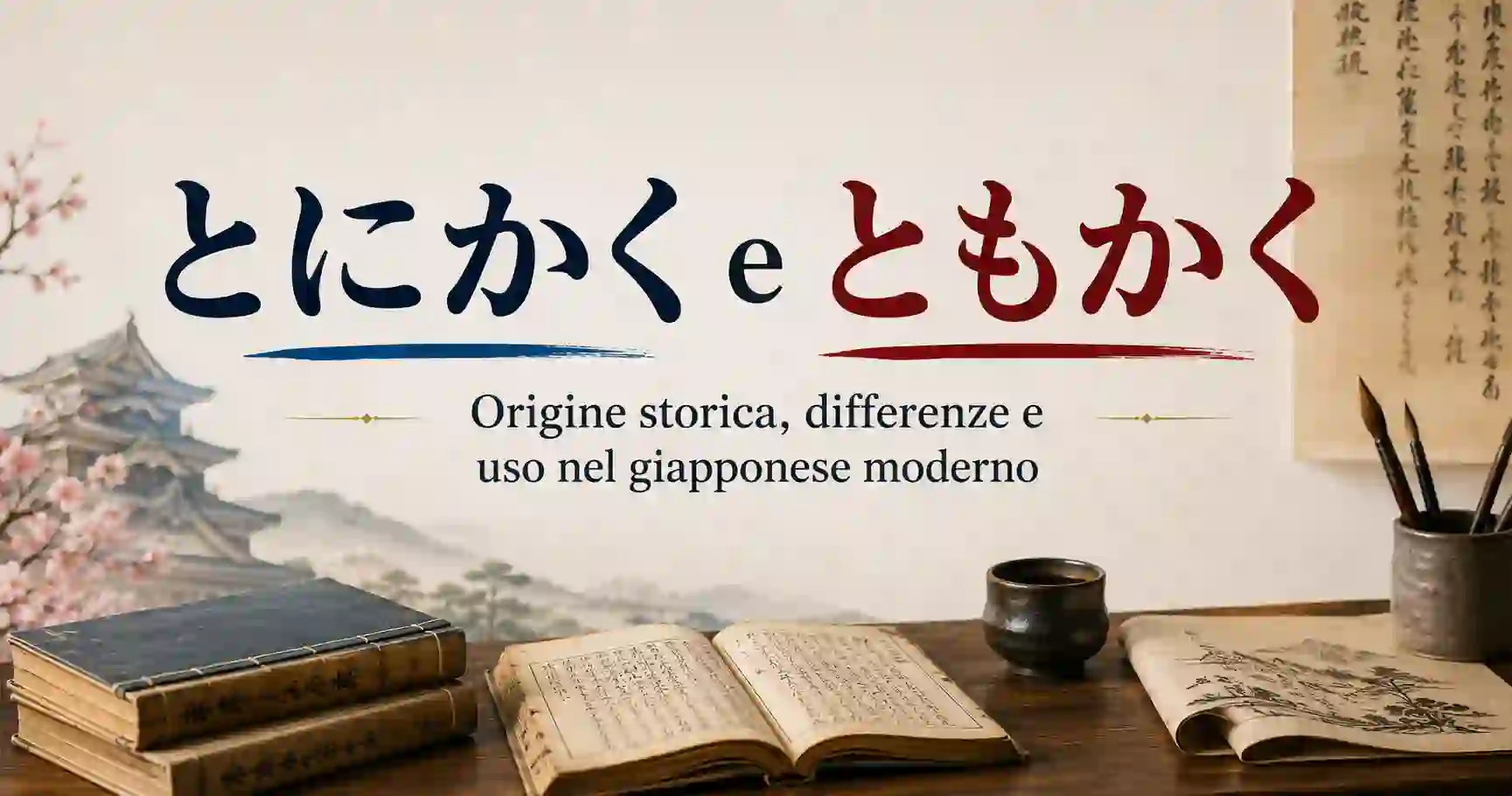
A comprehensive study of とにかく and ともかく. An analysis of their historical origins, linguistic evolution, differences in modern Japanese, usage across registers, and nuanced meanings, with numerous example sentences.
What does すみません (sumimasen) really mean? A complete analysis of its origin from 済む, its historical development, grammatical structure, modern usage, register, and emotional nuances. With an in-depth comparison with すまない, ごめん, ごめんなさい, and 申し訳ありません.
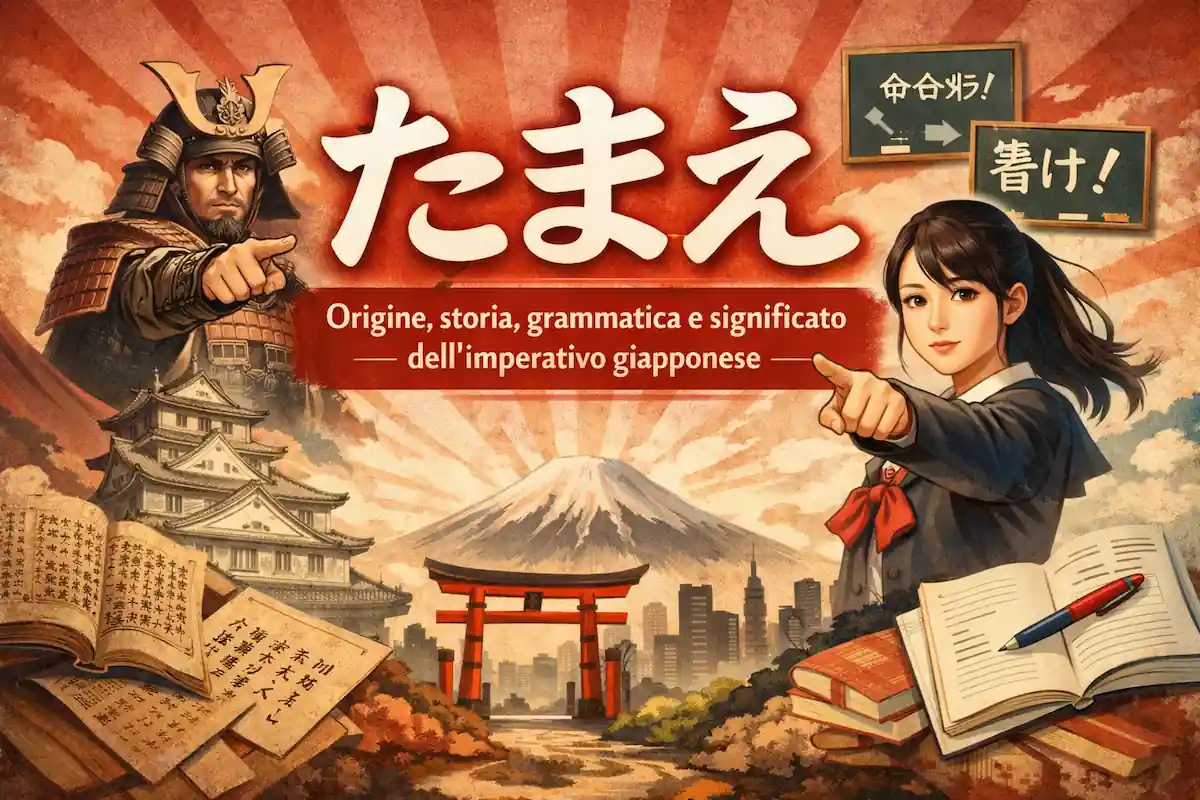
A complete analysis of たまえ: its historical origin from たまふ/たまう, grammatical mechanism, 連用形 + たまえ structure, semantic evolution, and usage in modern Japanese. An in-depth look at its transformation from a deferential request into authoritarian language, with references to 役割語, 上司語, and Classical Japanese.
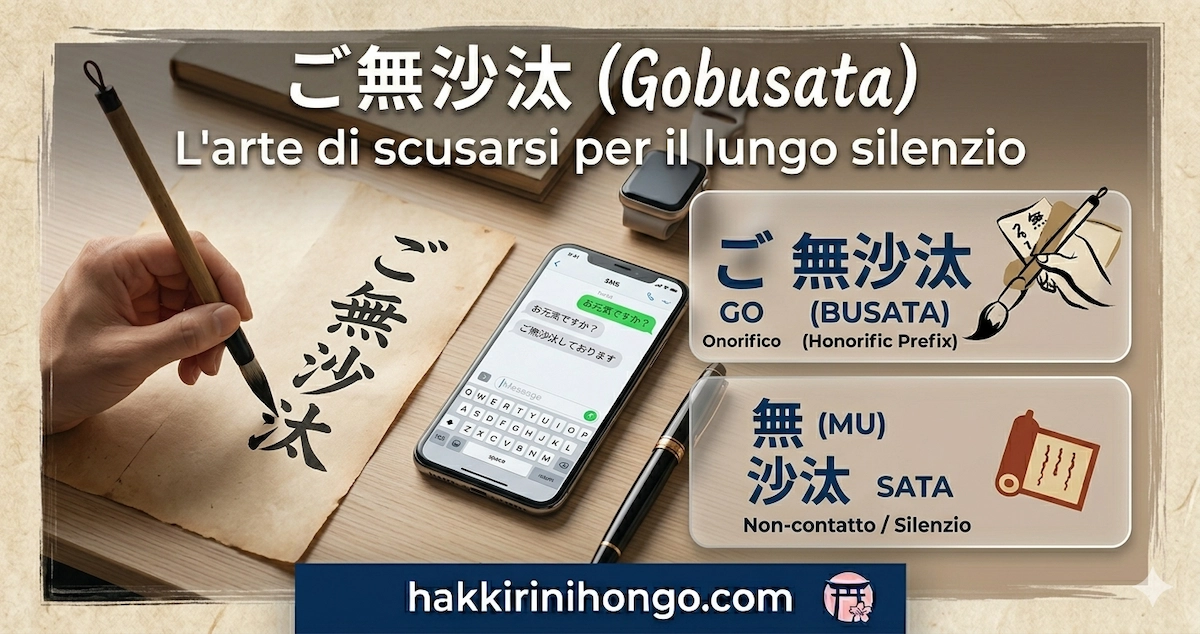
What is the origin of ご無沙汰 (gobusata)? It does not simply mean 'it's been a long time': it derives from the idea of an absence of contact or communication. A historical, etymological, and practical analysis of its use in modern Japanese, including an implicit comparison with 久しぶり.
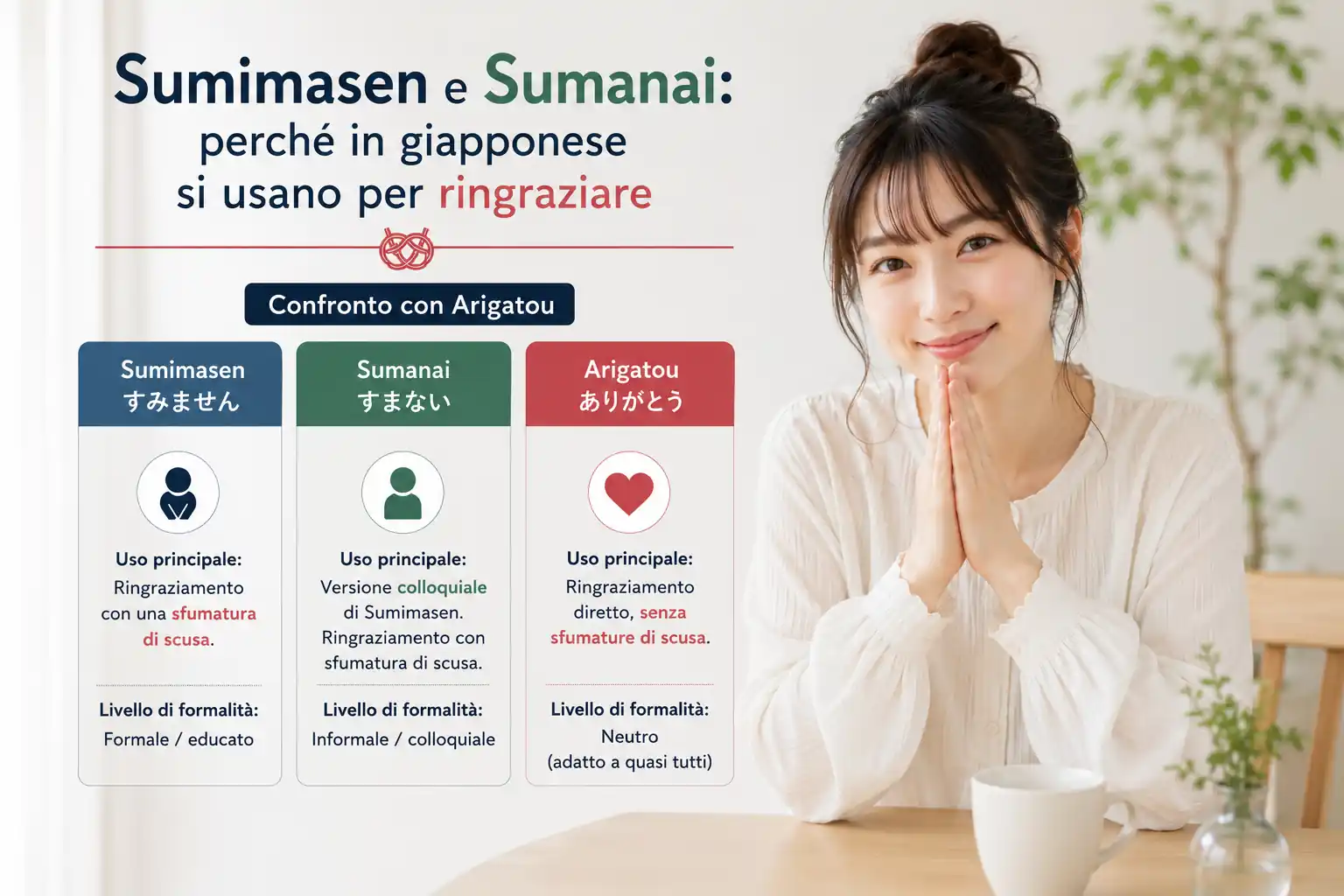
Why can sumimasen also mean “thank you” in Japanese? A linguistic analysis of the verb 済む (sumu), its semantic evolution, and a comparison with arigatou in real Japanese usage.
What is the origin of na-adjectives in Japanese? A historical and etymological explanation of Japanese na adjectives, the meaning of な, their evolution from classical copular forms such as なり and なる, and why they developed as a category distinct from i-adjectives.
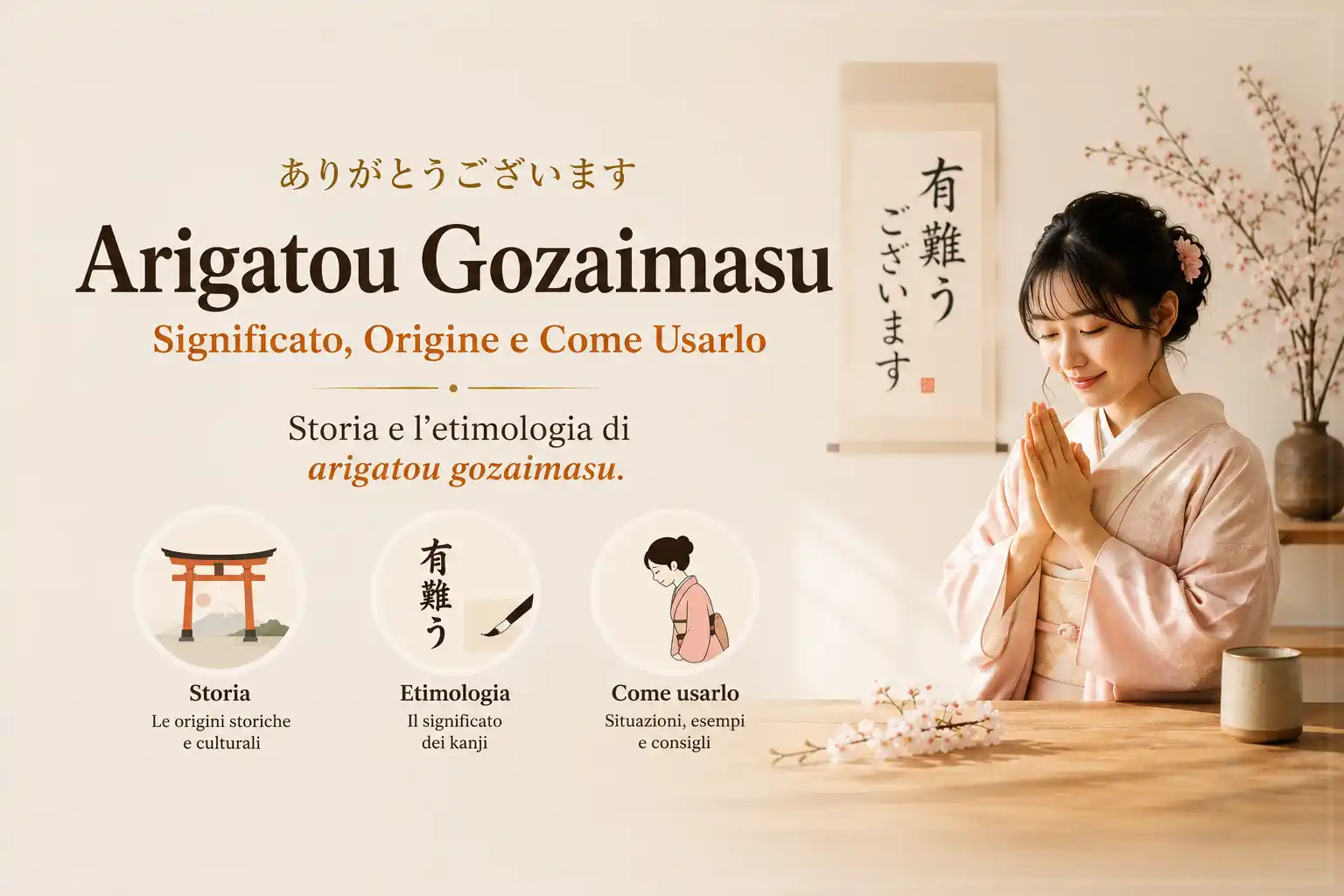
The formation and history of one of the most widely known expressions of gratitude in the world.